
Tenby
Lost a Ring on the Tenby Coast?
Professional recovery from the medieval harbour to Caldey Island waters — Local response across all of Pembrokeshire's finest beaches.
Tenby is one of the UK's most photographed seaside towns—pastel-coloured Georgian townhouses, medieval walls, and four distinct beaches framed by clifftop castles and the Atlantic beyond. Every year, thousands of visitors walk these narrow streets, swim in these bays, and lose rings in the sand. The harbour bustles with boats and tourists. The beaches—North, South, Castle, and Harbour—each have their own character and their own patterns of jewellery loss. The medieval town walls contain centuries of history. Caldey Island, visible from the shore, draws boat-trippers and swimmers.
When your ring goes missing in Tenby, the stakes are high. The harbour's tidal rush can sweep a ring from the foreshore into deeper water within hours. The beaches' soft sand and constant foot traffic bury jewellery quickly. The medieval walls and clifftop paths offer no refuge. But Tenby's beaches are also intimate and knowable—and we know them intimately.
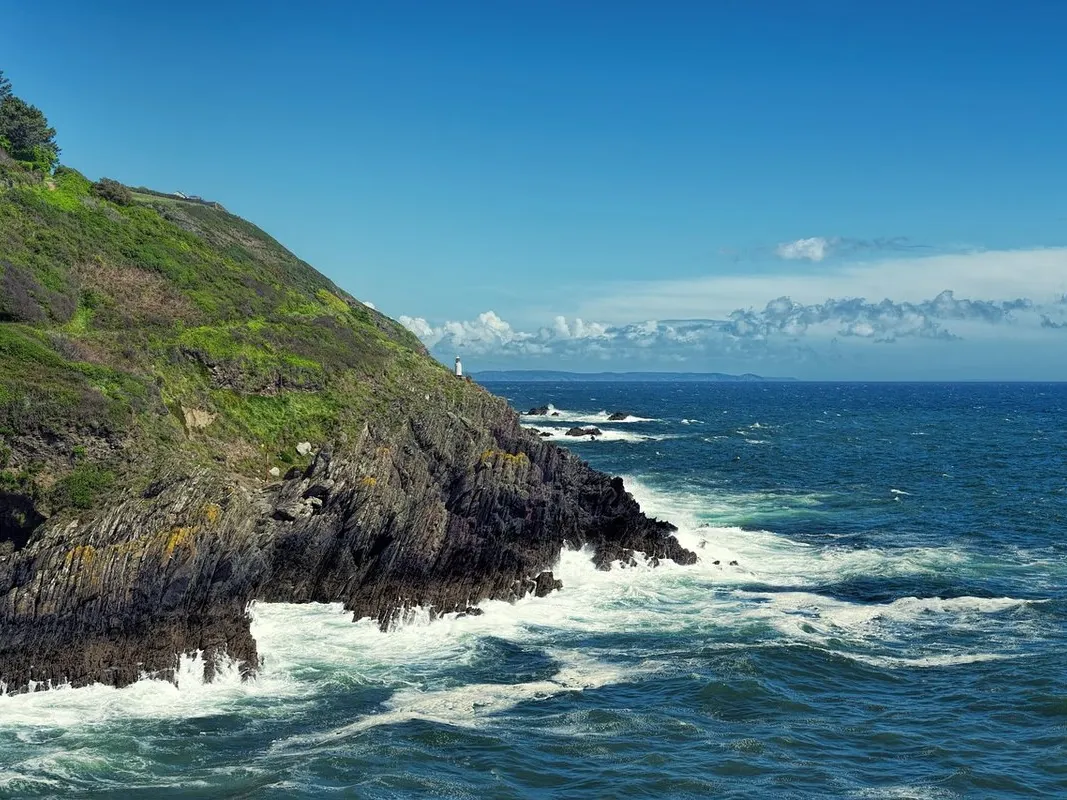
Recovery Across Tenby's Beaches and Harbour
Tenby's four beaches form a crescent around the town, each with distinct characteristics and loss patterns. The **North Beach** is the largest and busiest—a wide, sandy crescent sheltered by the North Cliff. The **South Beach** curves around the southern side of the town, backed by the colourful Georgian buildings and seafront promenade. **Castle Beach** nestles directly below the ruins of Tenby Castle on the rocky promontory—smaller, more sheltered, and popular for rock pooling. The **Harbour Beach** is the working harbour's sandy foreshore, busy with boats, fishermen, and holiday activity.
Beyond the beaches, the **medieval town walls** (still largely intact, running through the centre) contain alleyways and clifftop paths where rings are lost. **Caldey Island**, a short boat ride away, draws swimmers and hikers; rings are lost in its sand coves and tidal waters. The **Lifeboat Museum** and clifftop recreational areas see constant foot traffic.
We cover.
We serve all areas of Tenby, including:
- **North Beach** — the full length, from the North Cliff to the town centre
- **South Beach** — the southern crescent and seafront promenade
- **Castle Beach** — the rocky foreshore below Tenby Castle
- **Harbour Beach** — the working harbour's sandy zones and quayside
- **The Medieval Walls** — all publicly accessible sections
- **Clifftop paths** — the walking routes around the town
- **Caldey Island waters** — shallow zones near the boat landing and surrounding beaches
- **The Old Harbour** — foreshore and working areas (with owner coordination)
Common Search Locations in Tenby
North Beach & North Cliff Path
North Beach is Tenby's busiest beach during summer—thousands of families, swimmers, and sunbathers every day. Rings slip from fingers during paddling, sandcastle building, and swimming. The sand is typically firm and retentive, which is favourable for recovery. The North Cliff path runs along the top, and rings are also lost here by walkers—caught on railings, dropped during photo stops, or lost during clifftop seating. The cliff-to-beach access points see concentrated foot traffic.
South Beach & Georgian Seafront
South Beach wraps around the town's most picturesque side—pastel buildings, ice cream shops, and beachfront restaurants creating a continuous stream of visitors. Rings fall from fingers while eating ice cream, sitting on the promenade benches, or wading in the shallow water. The beach is sandy and accessible; the promenade is heavily walked. Evening strolls and sunset viewing concentrate activity in specific areas, making search zones more predictable.
Castle Beach & Rocky Foreshore
Castle Beach is smaller and more intimate—popular for families with young children, rock pooling, and snorkelling. The beach has rock pools, sandy patches, and rocky outcrops. Rings are lost to rock pool explorers and swimmers in the sheltered water. The ruins of Tenby Castle overlook the beach; visitors climb to the castle and lose rings on the approach paths. The rock pool system is complex, and rings can lodge between rocks—visual searching is as important as metal detection.
The Medieval Harbour & Working Waterfront
Tenby Harbour is a working port with fishing boats, pleasure craft, and a constant bustle of activity. Rings are lost on the quay, on moored boats, and in the shallow water at the harbour edges. The harbour's tidal range exposes mudflats and sand bars; rings can be embedded in these areas. The activity is intense but concentrated in specific zones—we know where to focus.
Caldey Island & Surrounding Waters
Caldey Island is home to an active monastic community and draws visitors for day trips. Swimmers and hikers lose rings on the island's beaches and in the shallow approach waters. The boat journey out and the landing process are common loss points. The island's sheltered east-facing beach and the surrounding shallow water are recoverable zones if the ring hasn't drifted beyond the immediate landing area.
Why Choose Ring Seekers Tenby
We Know Every Beach from North Cliff to Castle Ruins
Our Tenby team understands the geology, tidal patterns, and seasonal variations of all four beaches. We know that North Beach's sand firms up in late summer, making recovery easier. We know that South Beach's promenade foot traffic creates specific disturbance patterns. We know that Castle Beach's rock pools preserve rings better than open sand. We've worked Tenby's waterfront extensively and understand how the harbour's tidal system moves sand and sediment.
Local Mobilisation
We're based in the area and head to the call as soon as our schedule allows.
Professional Equipment for Sand, Rock, and Water
Tenby's beaches demand versatile detection: soft sand on North and South beaches, rocky areas on Castle Beach, and harbour mud. We carry multiple detectors calibrated for each environment. Our waterproof equipment handles shallow water losses and tidal mudflats. Our rock-detection capability works on Castle Beach's complex foreshore where standard detectors struggle.
Quoted Per Search, Not Per Template
Every recovery is different, so we tailor pricing to your situation. Reach out and we'll walk you through it.
Hundreds of Successful Recoveries Across the Pembrokeshire Coast
We've recovered rings from every zone in and around Tenby—North Beach's busy summer sands, South Beach's promenade footfall, Castle Beach's rock pools, the medieval harbour, and the waters off Caldey Island. We understand which conditions preserve rings and which destroy them. We've learned Tenby's patterns over years of local searches.
Multilingual Service
Tenby's visitors come from across Europe and the world. We speak English, Spanish, and French. Communication is clear and immediate, regardless of language background.
Discreet & Professional
We work respectfully within Tenby's working harbour, private beach areas, and the town's conservation zones. We coordinate with the Harbour Master, the Lifeboat Museum, and local property owners. We search quickly and unobtrusively.
Full Coverage—From the Medieval Walls to Caldey Island Waters
Whether your ring is lost on the busy North Beach during school holidays, on the quieter Castle Beach in autumn, in the medieval harbour during working hours, or in the shallow waters off Caldey Island, we'll search it. We have access to all public areas and can arrange access to private zones when needed.
Understanding Tenby's Search Conditions
Four Distinct Beach Environments
Each of Tenby's four beaches has different sand composition, tidal range, and loss patterns. North Beach's wide, firm sand is excellent for metal detection. South Beach's softer sand near the promenade can bury rings more quickly. Castle Beach's mix of sand and rock requires different search strategies. Harbour Beach's tidal mudflats preserve rings well but are harder to search visually. We adapt our technique to each beach's specific conditions.
Medieval Town & Clifftop Complexity
Tenby's medieval town centre and clifftop paths create additional loss zones beyond the beaches. Rings are lost on steps, in alleyways, on narrow paths with stone walls, and in grassed clifftop areas. These environments are harder to search than open beach and require local knowledge of access points and search permissions.
Tidal Range & Harbour Dynamics
Tenby's tidal range is significant—the sea retreats hundreds of metres at low tide, exposing mudflats and sand bars in the harbour. High tide can shift accumulated sediment and move rings. The harbour's working status means commercial activity and boat movement disturb the foreshore constantly. Timing your search around tides and working hours is critical.
Summer Visitor Density
Tenby's visitor numbers are extraordinary during school holidays—over 15,000 people per day in peak summer weeks. This creates both challenges and opportunities. More people means more sand disturbance, but also means rings are less likely to be buried deep before discovery. We adjust our search intensity based on when the loss occurred and what foot traffic has occurred since.
Rock Pool & Shallow Water Preservation
Castle Beach's rock pool system and the shallow water zones off South Beach preserve rings very well. Rings that land in rock pools or shallow water are less likely to be buried or swept away. If you can point us to a specific rock pool area or shallow water zone, recovery chances are high.
Successes across Tenby.
From beaches to historic centres — the recoveries our Tenby clients call us about most.
FAQs – Tenby
How quickly can you reach Tenby from outside the area?
Our Tenby team is local and typically responds within a few hours of your contact. Speed is critical with Tenby's beaches—the tide, foot traffic, and natural movement of sand can shift or bury a ring rapidly. Don't wait; contact us immediately when your ring goes missing.
I lost my ring on the busy North Beach during summer holidays. Will the foot traffic have buried it?
Not necessarily. Heavy foot traffic keeps the surface active and can actually prevent rings from being buried deep. The challenge is that the ring may have been kicked or moved by foot traffic—it might not be exactly where it landed. Our advantage is understanding North Beach's sand behaviour under high-traffic conditions. We know the disturbance patterns and can predict where a ring is likely to have moved.
What if my ring is in Castle Beach's rock pools?
Rock pool recoveries are often successful—rings lodge between rocks and are protected from movement. Visual searching is critical here, and metal detection helps confirm the ring's location once spotted. We have experience with rock pool searches and can often recover rings from these environments. Describe which area of the beach and which rock pool cluster, if possible.
Can you search the medieval town centre and clifftop paths?
Yes. Tenby's medieval town walls and clifftop walking routes are publicly accessible in most areas. We can search these zones systematically. If your ring was lost in a private garden, shop, or restaurant, we'll need to coordinate access with the property owner—but most medieval town losses are in public areas and alleyways.
Is recovery possible if my ring went into the sea off South Beach?
Yes, if the ring landed in the shallow water zone close to the promenade. South Beach's foreshore is sandy and relatively shallow—rings can settle on the seabed within a few metres of shore. The longer you wait, the more the ring may shift with tidal movement. Contact us immediately, and we'll assess water conditions and search feasibility.
Can you search Caldey Island itself?
Caldey Island is privately owned and operates as a monastic community. We can search the boat landing zones and the immediate approach waters. Searches on the island itself require the island's permission, which can sometimes be arranged through the boat operators. Describe where exactly you lost your ring, and we'll determine what's possible.
How much does your service cost?
Pricing is confirmed when you book, based on the specifics of your situation. Contact us with the details and we'll explain the structure clearly upfront — no surprises, nothing hidden. Payment is by Visa or Mastercard.
What payment methods do you accept?
Card payments only — credit or debit (Visa, Mastercard).
What are the chances of recovery from the harbour beach?
Good, but it depends on timing. If your ring was lost on the exposed foreshore at low tide, recovery chances are high—we can search the mudflats and sand areas systematically. If the tide has covered the area since your loss, the ring may have moved or been buried. Contact us immediately with details of the exact location and the time of loss.
Can you search the working harbour and around moored boats?
Yes, with coordination. We liaise with the Harbour Master and boat operators to search the foreshore and quayside safely. Active harbours have movement and noise, but they also have good visibility and defined zones. Most harbour recoveries are successful if the ring hasn't drifted into deep water.
Do you operate during the off-season?
Yes. We work year-round, 24/7. Off-season searches can actually be easier—fewer people, less sand disturbance, and more time to search thoroughly. However, winter weather can be challenging. Contact us, and we'll assess conditions.
What if my ring was lost weeks ago?
Don't assume it's gone. Rings can remain recoverable weeks or months after loss, especially on Tenby's beaches where sand is relatively stable. However, the longer the time elapsed, the more likely the ring has been moved by tides, foot traffic, or maintenance activity. Contact us with as much detail as possible about the original loss location.
Tenby
Lost Your Ring in Tenby? Act Before the Tide Shifts.
Tenby's beaches are among the UK's most beautiful—but they're also constantly moving. The tides shift the sand. The crowds disturb the foreshore. The medieval town's narrow spaces hide lost jewellery. But beauty and complexity are manageable with local expertise.
The moment your ring goes missing, time is your ally if you act immediately. The sand hasn't moved yet. The tide hasn't covered your loss zone. The foot traffic hasn't displaced everything. Contact us now.