
Swansea – Mumbles & Gower
Ring Gone Missing in Swansea or the Gower?
Expert ring recovery across Swansea Bay, Mumbles Pier, and the Gower Peninsula's most dramatic beaches — Local response.
The Gower Peninsula is the UK's first Area of Outstanding Natural Beauty—5,500 hectares of unspoilt coastline, hidden coves, and some of Britain's most spectacular beaches. Rhossili Bay's three-mile golden strand backed by towering cliffs. Three Cliffs Bay's dramatic limestone formations accessible only on foot. Langland and Caswell—working surfers' beaches with confident swimmers and constant activity. Mumbles, the charming clifftop village at the bay's tip, with its famous pier and ice cream shops. And Swansea itself—Wales's second city with an urban beach on the bay.
Rings are lost constantly across this landscape. In Swansea's busy urban beach. On Mumbles Pier during evening strolls. In the fierce water off Langland Bay where surfers congregate. On the hidden coves of Three Cliffs accessible only at low tide. In the pristine sands of Rhossili, where families walk for miles and lose things to the tide. The Gower's isolation and beauty also mean less disturbance—rings here can survive longer, but finding them requires intimate local knowledge.
When your ring goes missing on the Gower or in Swansea, you need a team that knows the entire region—the beaches, the cliffs, the tides, and the conditions that make each zone unique.
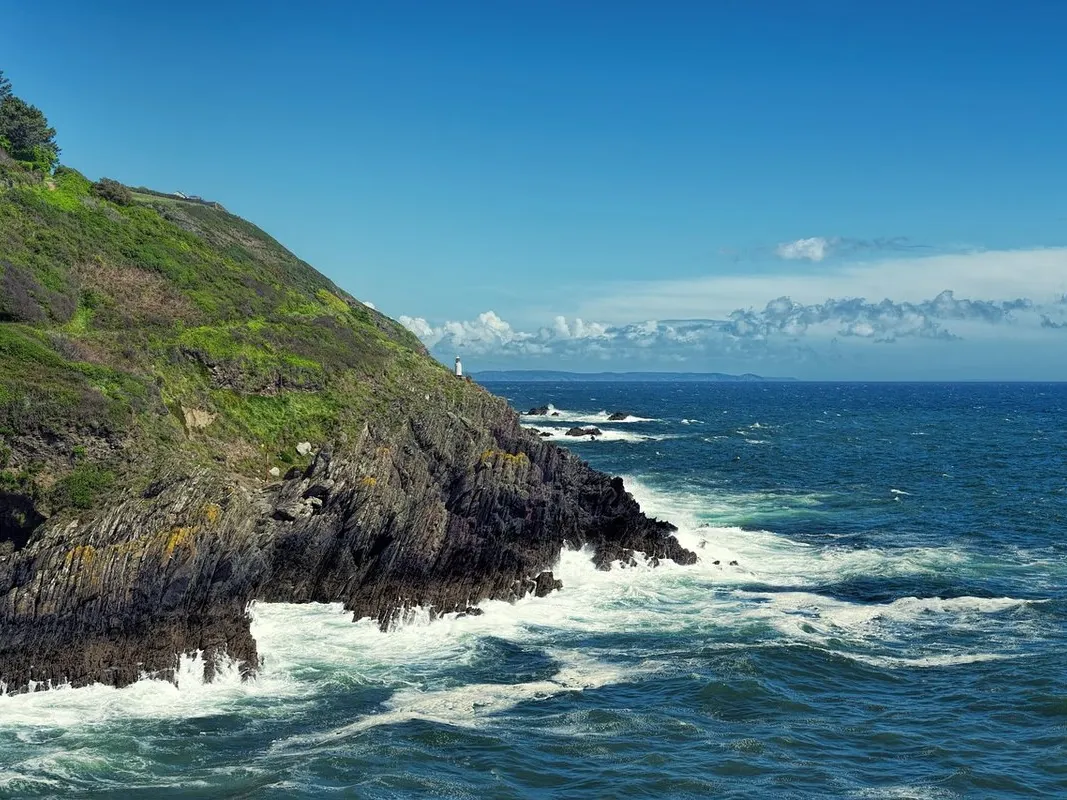
Service Across Swansea Bay and the Gower Peninsula
The Swansea–Mumbles–Gower region spans approximately 40 km of coastline with dramatically different beach types, tidal patterns, and access conditions. **Swansea Bay** itself hosts the urban beach and marina—busy, accessible, and well-maintained. **Mumbles**, perched on a promontory at the bay's western end, is a picturesque village built around the famous Mumbles Pier and Lighthouse, with ice cream shops and seafront attractions. Beyond Mumbles lies the **Gower Peninsula**—a wilder, less-developed coastline with multiple distinct beaches and coves, each with its own character.
The Gower's main beaches are.
We serve all areas of Swansea – Mumbles & Gower, including:
- **Rhossili Bay** — a legendary three-mile golden beach backed by the towering Rhossili Down cliffs; low tide reveals the Worm's Head tidal island at the southern end
- **Three Cliffs Bay** — a hidden, dramatic cove accessible only on foot, featuring three limestone cliff formations and Pennard Castle ruins
- **Langland Bay** — a working surfers' beach with cafés, lifeguards, and powerful Atlantic swell
- **Caswell Bay** — a sheltered family beach in a wooded valley, less exposed than Langland
- **Oxwich Bay** — a long, quieter beach with marshland at the northern end
- **Swansea Bay & Beach** — the urban beach, marina, and waterfront promenade
- **Mumbles Village** — Mumbles Pier, Lighthouse, ice cream shops, and clifftop areas
- **Rhossili Bay** — the full length of the beach, the Worm's Head approach, and Rhossili Down slopes
- **Three Cliffs Bay** — the cove, clifftop paths, and Pennard Castle area
- **Langland Bay** — the main beach and the surrounding rocky headlands
- **Caswell Bay** — the sheltered beach and the wooded slopes above
- **Oxwich Bay** — the longer beach and the marshland zones
- **Reynoldston & surrounding farmland** — rural loss areas across the central Gower
Common Search Locations in Swansea and the Gower
Swansea Bay Urban Beach & Waterfront
Swansea's beach is an urban environment—busy, accessible, and well-lit. It attracts families, swimmers, and strollers. The beach is sandy with municipal maintenance and regular grooming. The seafront promenade sees continuous foot traffic. Rings are lost during paddling, by beachgoers on blankets, and during waterfront walks. The bay is relatively sheltered, and sand movement is more predictable than on exposed Gower beaches. Water losses here are in relatively shallow, sheltered conditions.
Mumbles Pier & Clifftop Paths
Mumbles Pier is iconic—a Victorian structure that draws tourists and locals daily. Rings are lost on the pier itself, in the café areas, and on the surrounding clifftop paths. The Mumbles Lighthouse sits at the pier's end; visitors climb to the lighthouse and lose jewellery on the approach and the gallery. The clifftop paths above Mumbles offer stunning views but are also narrow and unguarded—rings slide off during walking and sitting. The ice cream shops and seafront benches see careless losses.
Rhossili Bay—Miles of Gold Sand & Dramatic Cliffs
Rhossili is legendary—a three-mile beach of golden sand backed by the 633-metre Rhossili Down. Visitors walk for miles; rings slide off fingers during long walks and never get recovered because the beach is so vast. The Worm's Head, a dramatic tidal island at the southern end, draws adventurous visitors during low tide; rings are lost on the approach paths and the island itself. The soft sand can bury rings during the day but also can expose them again with tide and wind. Rhossili's isolation is both an advantage (less disturbance, fewer people to kick or bury rings) and a challenge (vast search area, multiple access points).
Three Cliffs Bay—Hidden Cove & Limestone Drama
Three Cliffs Bay is accessible only by a 20-minute walk from the Penmaen parking area—a deterrent that keeps visitor numbers manageable. The cove sits below three dramatic limestone cliffs and the ruins of Pennard Castle. Visitors walk the clifftop paths and then descend to the hidden beach. Rings are lost on both the descent paths and the beach itself. The limestone terrain is complex; rings can lodge in crevices or under boulders. The beach is less disturbed than Rhossili, preserving rings well. Recovery chances are high if you can pinpoint the loss area.
Langland Bay—Active Surfers & Lifeguarded Waters
Langland is a working surfers' beach with a year-round community of swimmers and board riders. It's a powered beach—lifeguards, café, facilities, and continuous activity. Rings are lost by bathers, surfers (often after paddling out), and beachgoers. The water is colder and more powerful than Swansea Bay's sheltered waters, and the wave action can move rings unpredictably. However, the lifeguard presence and the concentrated activity also mean good visibility and clear loss locations. Surfer recoveries are possible if the ring lands on the beach after a wipeout or if it's lost before paddling out.
Caswell Bay—Family Beach in the Woods
Caswell is sheltered and family-oriented, backed by the Caswell Valley's wooded slopes. The beach is smaller and less busy than Langland or Rhossili. Rings are lost by families on the sand and in the shallow water. The valley setting creates pockets and coves along the beach; rings here are often well-preserved. The parking area and access paths are concentrated, making the loss location more pinpointable.
Why Choose Ring Seekers Swansea & Gower
We Know Every Beach from Urban Swansea to Remote Three Cliffs
Our Swansea and Gower team understands the vast range of conditions across this region—from the maintained urban beach of Swansea Bay to the wild, tidal sands of Rhossili to the hidden limestone coves of Three Cliffs. We understand Rhossili's three-mile expanse and its tidal island. We know the clifftop paths that take walkers to Three Cliffs. We've searched Langland's powerful waters and Caswell's sheltered cove. We understand the seasonal variations—summer crowds at Rhossili, winter solitude, and spring storms that reshape the beaches. No other team has searched this diversity of environments as extensively.
Local Response Across 40 km of Coastline
Our local team is positioned across Swansea and the Gower, not based far away. Whether your ring is lost in the urban beach car park in Swansea, on Mumbles Pier, or on a clifftop path three kilometres from the nearest road on the Gower, we mobilise locally and respond rapidly. We know the fastest routes to every beach, every car park, and every cliff access point.
Professional Equipment for Sand, Rock, Water, & Cliff Terrain
The Gower demands versatile detection. Rhossili's soft golden sand requires one type of detection. Three Cliffs's limestone rock formations and mixed terrain require different equipment. Langland's sandy beach with rocky edges needs precision. Caswell's sheltered beach is straightforward. We carry waterproof metal detectors for water zones, VLF detectors for sand, specialist rock-detection equipment for limestone, and visual search expertise for clifftop areas. We adapt our approach to each environment.
Open About Cost
We confirm pricing once we understand the situation, with everything explained transparently before you commit.
Hundreds of Successful Recoveries Across the Gower Peninsula
We've recovered rings from Rhossili's vast expanse, Three Cliffs's hidden cove, Langland's active waters, Caswell's family beaches, and Swansea's urban zone. We've found rings buried in Rhossili's soft sand, lodged in Three Cliffs's rock formations, and lost by surfers at Langland. We understand which conditions preserve rings and which destroy them. We know Gower patterns intimately.
Multilingual Service
The Gower attracts international visitors. We speak English, Spanish, and French. Communication is immediate and clear, regardless of language background.
Discreet & Professional
We coordinate with lifeguard stations, car park operators, and the National Trust (which manages significant Gower land). We respect the area's AONB status and work carefully within environmental protocols. We search quickly and without disruption.
Full Coverage—From Urban Swansea to the Wildest Gower Coves
Whether your ring is lost on Swansea's urban beach during the school holidays, on Mumbles Pier during a summer evening, on Rhossili's vast sands, on Three Cliffs's clifftop path, or in Langland's powerful water, we'll search it. We have access to all public areas and understand private land permissions.
Understanding Swansea and Gower's Search Conditions
Tidal Range & Rhossili's Dynamics
Swansea Bay and the Gower have a significant tidal range—the sea retreats far at low tide, exposing vast areas of sand, especially at Rhossili and Oxwich. High tide can shift accumulated sand and move rings dramatically. Rhossili's tidal island (the Worm's Head) is accessible only at low tide within a narrow window; rings lost on the approach or the island itself need timing coordination. Understanding when the tide was at the point of loss is critical for search planning.
Limestone Geology & Rock Preservation
Three Cliffs Bay and other Gower areas have limestone formations and cliffs. Limestone is fractured and creates crevices where rings can lodge. Rings in limestone areas are often well-preserved but hard to locate—they can sit in hidden cracks for months. Our rock-detection expertise is essential for these zones.
Rhossili's Vast Expanse & Wind Effect
Rhossili's three-mile beach is so large that visual searching alone is impractical. However, the beach's sand is relatively soft and wind-blown—rings can become exposed or deeper buried depending on wind direction and sand movement. We use systematic search patterns and focus on the most likely loss zones (near car parks, the descent paths, popular walking distances).
Cliff Access & Seasonal Variation
Three Cliffs, Langland, and other cliff-backed beaches have seasonal access variation. Winter storms can change the cliff base and expose new zones. Spring and summer see the most foot traffic. Autumn storms can bury rings but also reveal previously buried objects. We adjust search strategy based on season and recent weather.
Water Movement & Surfer Activity
Langland's powerful Atlantic swells move sand and water unpredictably. Surfer losses are often in the transition zone—between the shore and where surfers paddle out. We understand these zones and have recovered many surfer losses by predicting where rings are likely to have been carried or buried.
Quiet Season & Preservation
Off-season (autumn and winter) sees fewer visitors, meaning rings are less likely to be walked over or kicked away. Rhossili in October is vastly quieter than Rhossili in August. This preservation advantage is offset by stormy weather and reduced visibility. We adjust our search intensity based on season.
Swansea – Mumbles & Gower ring recovery stories.
Real losses, real recoveries — what our Swansea – Mumbles & Gower clients experienced when they thought their ring was gone.
FAQs – Swansea – Mumbles & Gower
I lost my ring on Rhossili Bay's vast beach. How will you find it in such a large area?
Large beaches require systematic searching and local knowledge of where rings are most likely to be. We focus on key zones: areas near the car parks and main access paths, the descent and ascent routes from the beach, the Worm's Head approach, and areas where foot traffic concentrates. We don't search randomly; we search strategically based on loss timing and weather patterns since the loss. If you can pinpoint where on the beach (north end, middle section, south end near Worm's Head), our search efficiency improves dramatically.
What if my ring went into the water at Langland Bay?
Langland's water is cold, powerful, and tidal. If the ring landed close to the shore on sandy bottom, recovery is possible. If it went beyond the immediate foreshore or lodged on rocky areas, recovery becomes much harder. Timing is critical—the longer you wait, the more the ring may drift with currents and tides. Contact us immediately with details of where and when you lost it, and we'll assess feasibility.
Can you search the Worm's Head and the tidal island at Three Cliffs?
The Worm's Head is tidal—accessible only during a narrow low-tide window. If your ring is on the Worm's Head or the approach, we can search during the accessible window. We coordinate with the tide tables and time our visit accordingly. Three Cliffs itself (the approach path and beach) is accessible year-round. Describe exactly where you lost it, and we'll plan the search timing.
I lost my ring on Three Cliffs's clifftop path. Is recovery possible on such steep terrain?
Yes, but it depends on exactly where it fell. If the ring fell on the defined walking path, on a grassed slope, or near a landmark (castle ruins, viewpoint), we can search methodically. If it fell down a sheer cliff or into dense bracken on unstable slopes, recovery becomes dangerous or impossible. We'll assess the exact location and advise you on feasibility before committing to the search.
What about the Gower's quieter beaches like Oxwich and Caswell?
Quieter beaches often mean better ring preservation—fewer people walking over them, less sand disturbance. If your ring was lost on Caswell's family beach or Oxwich's long stretch, chances of recovery are often good because the ring hasn't been buried or kicked away by crowds. We can search these beaches systematically and with good results.
Can you search during winter storms or rough sea conditions?
We can search the beach and clifftop areas in winter, but water losses become harder to assess during rough seas. If your ring is in the water during storm conditions, we'll advise you to wait for calmer weather if possible—rough water makes the search difficult and any recovery attempt risky. For land-based losses, winter is often good for searching—fewer people, clearer conditions.
How much does your service cost?
Costs depend on the circumstances of the search — terrain, access, and the conditions involved all play a part. When you call or message us, we'll walk through everything and confirm pricing before we travel. Card payment only.
What payment methods do you accept?
Payment is exclusively by credit or debit card (Visa, Mastercard).
Do you operate year-round on the Gower?
Yes. We work year-round, 24/7, across Swansea and the Gower Peninsula. Winter searches can be excellent—fewer people, clearer conditions on clifftop paths, and rings are well-preserved. However, winter weather can be challenging, and some access points may be restricted in extreme conditions. Contact us, and we'll assess conditions and plan accordingly.
I lost my ring weeks ago. Is recovery still possible?
On the Gower's quieter beaches, absolutely. Rings can remain recoverable months after loss, especially in less-visited areas like Three Cliffs or quieter Caswell. Rhossili is trickier because the vast beach and seasonal sand movement mean the ring may have been buried or shifted. Contact us with as much detail as possible about the original loss location, and we'll assess likelihood.
What if my ring was lost in the Gower's countryside away from the beach?
The central Gower's farmland around Reynoldston sees hiking activity and rural losses. We can search open fields and paths if you provide the specific location. Countryside searches are less common but definitely possible. We'll coordinate access with landowners and search systematically.
Swansea – Mumbles & Gower
Lost Your Ring in Swansea or the Gower? We Know Every Beach.
From the urban energy of Swansea Bay to the hidden drama of Three Cliffs, from Mumbles's charming pier to Rhossili's endless golden sands, from Langland's surfer waters to Caswell's sheltered cove—the Gower Peninsula is vast, beautiful, and unforgiving. But it's also knowable, and we know it.
Every beach, every cliff path, every tidal pattern, every hidden cove. When your ring goes missing on the Gower, action is your greatest asset. The sand hasn't moved yet. The tide hasn't covered your loss zone. The foot traffic hasn't displaced everything. Contact us now.