
English Harbour
Looking for a Ring Search in English Harbour?
Nelson's Dockyard, Pigeon Point Beach, Freeman's Bay, and the Sailing Regatta Marina — Historic Harbour Recovery.
English Harbour is the sailing capital of the Eastern Caribbean—home to Nelson's Dockyard, a UNESCO World Heritage site and one of the region's most visited heritage attractions, and the epicentre of Antigua's world-class sailing culture. Every year, Antigua Sailing Week (late April/early May) draws hundreds of international yachts, thousands of sailors and crew, and tens of thousands of spectators. Freeman's Bay Beach is tucked inside the historic dockyard—a small, sheltered sandy beach surrounded by heritage buildings and maritime history. Pigeon Point Beach sits just outside the harbour entrance—wider, more Atlantic-facing, with its own character. Galleon Beach is on the eastern side. The entire area is a tangle of heritage tourism, elite sailing, restaurants, bars, and water activity. Rings are lost during dockyard exploration (stone ruins, heritage stairs, museum visits), yacht boarding and crew transitions, regatta celebrations, beachfront dining, and water activity. Ring Seekers specialises in English Harbour's unique blend of heritage site, sailing-culture, and beach-recovery environments.
Reaching Every Part of English Harbour and South Antigua
English Harbour is easily accessible from central Antigua via a scenic drive—about a few hours from St John's. During Antigua Sailing Week, the area is congested with thousands of extra visitors, boats, and traffic. Outside sailing week, access is straightforward. We respond to English Harbour in under 90 minutes year-round, with scaled resources during regatta season to handle volume and multiple concurrent losses.
We serve all areas of English Harbour, including:
- Nelson's Dockyard heritage site interior and ruins
- Freeman's Bay Beach (inside the dockyard)
- Pigeon Point Beach and shore
- Dockyard restaurant and bar areas
- Heritage walking paths and monuments
- Clarence House and surrounding heritage grounds
- Yacht marina and boarding zones
- Regatta anchorages and racing zones
- Galleon Beach east of the harbour
- Water sports and marine activity areas
- Dockyard retail and visitor facilities
Common Search Locations in English Harbour
Nelson's Dockyard Heritage Site & Ruins
Nelson's Dockyard is an 18th-century British naval facility, meticulously preserved as a UNESCO World Heritage site and open-air museum. Thousands of annual visitors walk the stone ruins, explore the guard house and officers' quarters, photograph the cannon emplacements, and climb heritage staircases. Rings are lost in specific zones—on stone stairs and ramparts, in the grass courtyard, on walkways, near the cannon exhibits, and in the museum building. Heritage site loss recovery requires sensitivity to archaeological significance and coordination with dockyard management. We have established protocols for heritage-site searching and understand the preservation requirements.
Freeman's Bay Beach (Inside Dockyard)
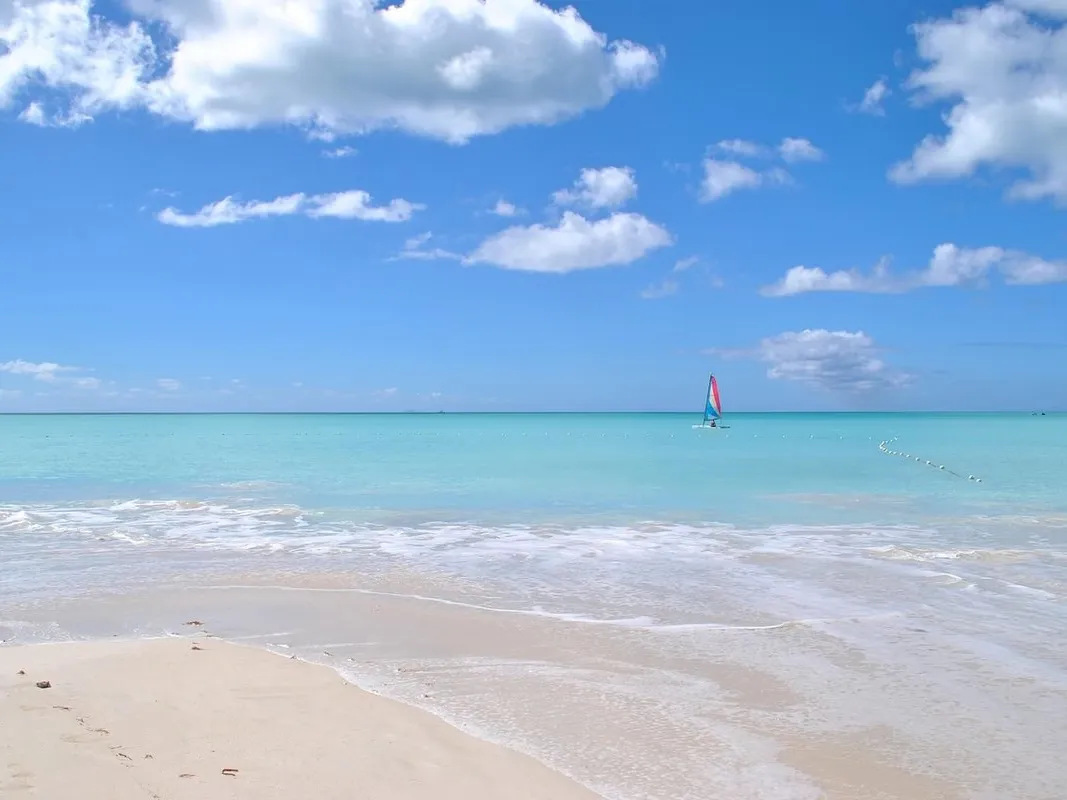
Freeman's Bay is a small, sheltered sandy beach directly inside the dockyard, surrounded by heritage buildings and perfectly calm water. Access is through the dockyard entrance. Rings are lost during beach swimming, wading, and lounging. The beach is confined and low-traffic, making recovery straightforward. The white sand and calm water are ideal detection conditions.
Pigeon Point Beach (Harbour Mouth)
Pigeon Point Beach sits just outside the harbour entrance, directly facing the Atlantic. The beach is wider than Freeman's Bay and more Atlantic-exposed—meaning occasionally rougher conditions but also more volume of independent beachgoers. Rings are lost during swimming and beach activity. The Atlantic-facing aspect means occasional swell, but the beach remains accessible and search-friendly year-round.
Yacht Docks & Marina Boarding Zones
The English Harbour marina is a tangle of yacht traffic, charter boat boarding, crew transitions, and marine activity. Rings slip off during boarding transitions, on slippery docks, and during equipment handling. Marina boarding losses are often high-value pieces from international yacht crews. We have specialised protocols for marina and dock-zone searches.
Dockyard Restaurant, Bar & Social Areas
The heritage dockyard has several restaurants and bars—a lively social scene especially during sailing week. Rings are lost at tables, in changing areas, or during water transitions. Dockyard social-zone losses are common and typically fast to recover due to the confined search area.
Why Choose Ring Seekers English Harbour?
Intimate Knowledge of Heritage Site Protocols & Archaeology
Nelson's Dockyard is a managed heritage property with specific visitor access, archaeological sensitivity, and restoration protocols. We've coordinated extensively with dockyard management and understand the site's requirements. We can search the dockyard's heritage zones discreetly and respectfully, without disturbing archaeology or disrupting visitor experience. Not all services have this specialized expertise.
Established Relationships with Sailing Week Organizers & Marina Operators
Antigua Sailing Week is a major annual event—regattas, dock congestion, and high-volume activity. We have direct relationships with regatta organizers and marina operators, allowing us to respond rapidly during sailing week when losses multiply. We scale resources during regatta season and understand the unique challenges of high-volume marine recovery.
Dual Expertise: Heritage Site + Marina + Beach Recovery
English Harbour has three very different loss environments—heritage site (requiring careful, archaeological-sensitive work), marina (requiring coordination with operational traffic), and beach (requiring standard beach-detection protocols). We have proven expertise across all three. Our versatility is unmatched.
Yacht Crew & International Clientele Understanding
English Harbour draws elite international sailors, crew, and passengers with high-value jewellery and unique loss patterns. We understand yacht culture, crew logistics, and the specific circumstances of marine-based losses. Communication and sensitivity matter here; we deliver both.
Specialist Beach & Water Recovery
We're upfront about how this works on the call. Once we understand the situation, we'll explain the cost structure clearly so you know exactly where you stand if the search is unsuccessful.
Multilingual Service
English Harbour draws sailing professionals and tourists from throughout the world. We converse fluently in English, Spanish, German, French, and Dutch—accommodating the international sailing community.
Complete Coverage of All English Harbour Environments
From heritage-site ruins to marina docks to Freeman's Bay beach to Pigeon Point shore, we cover all English Harbour recovery environments. Our flexibility and expertise span heritage, marine, and beach terrain.
Understanding English Harbour's Search Conditions
Three Distinct Search Environments Requiring Adapted Protocols
English Harbour is not a simple beach-recovery location. The heritage dockyard (stone, brick, compacted earth, grass), Freeman's Bay Beach (fine sand, sheltered water), and Pigeon Point Beach (Atlantic-exposed sand) each require different detection approaches. We adjust sensitivity, scanning patterns, and methods based on the specific terrain.
Heritage Site Stone, Brick & Compacted Ground
The dockyard's stone ruins, brick buildings, and compacted earth create electromagnetic noise and false signals in metal detection. We use slower, more careful scanning and specialised sensitivity adjustments. Stone also means items can be wedged in crevices, requiring manual inspection alongside detection work.
Freeman's Bay Sheltered Beach & Ideal Sand
Freeman's Bay sand is excellent for detection—fine, light-coloured, minimal magnetic interference. The sheltered position means calm water, minimal tidal shift, and stable sand. Recovery conditions in Freeman's Bay proper are nearly ideal.
Pigeon Point Atlantic-Exposed Sand & Occasional Swell
Pigeon Point faces the Atlantic and receives swell—especially June–November. However, even during rougher conditions, the beach remains accessible and searchable. Swell does increase sand movement, so early response is important here.
Daily Heritage Tourism Traffic
Nelson's Dockyard sees 20–50+ visitors daily. The heritage site's managed status means predictable traffic patterns and no commercial beach machinery. However, foot traffic can dislodge surface items and compact sand. Early response is important to beat disturbance.
Marina Activity & Operational Coordination Needs
The yacht marina never stops—docks are active 24/7 during peak season and sailing week. We coordinate our dock-zone searches around operational requirements and vessel movements. This requires communication with marina management but doesn't prevent searching.
Direct Local Dispatch
Calls go straight to a local responder, so there's no relay delay before we head your way.
Stories from clients across English Harbour.
Real losses, real recoveries — what our English Harbour clients experienced when they thought their ring was gone.
FAQs – English Harbour
Can you search inside Nelson's Dockyard heritage site?
Yes, absolutely. We have established protocols with Nelson's Dockyard management and permission to search the dockyard's heritage zones. We understand the archaeological and preservation sensitivity of the site and conduct searches respectfully. Heritage-site losses are our specialty.
My ring was lost during Antigua Sailing Week—can you help with the volume?
Yes. During sailing week, we scale resources specifically for the increased loss volume. We have rapid-response teams positioned for harbour and marina searches and can handle multiple concurrent losses. Call immediately when you lose a ring during regatta week; we prioritise sailing week losses.
I lost my ring at a dockyard restaurant—how quickly can you search?
Restaurant and bar losses are among our fastest recoveries. The search zone is confined, the sand or floor surface is usually predictable, and losses are typically recent. We can often locate dockyard dining-area losses within a few hours of arrival.
My ring was lost during yacht boarding at the marina—is it recoverable?
Yacht boarding losses are common at English Harbour, especially during sailing week. If your ring slipped off on the dock or in shallow water during boarding, recovery is often feasible. We coordinate with marina operations and can search dock zones without disrupting vessel traffic. We'll assess your specific loss circumstances and advise honestly before proceeding.
What if I'm not sure whether my ring is in the dockyard or on Freeman's Bay?
Describe the activity you were doing—walking heritage trails, swimming, dining—and we'll focus our search accordingly. If your loss occurred inside the dockyard proper, we'll search the dockyard. If it's beach-related, we'll search Freeman's Bay. With your context, we'll narrow the zone quickly.
How much does your service cost?
Because every recovery is unique, pricing is agreed at the time of booking rather than published in advance. Call us with the details and we'll explain everything clearly. Card-only payment.
What payment methods do you accept?
Card-only — Visa or Mastercard.
English Harbour
English Harbour Deserves Expertise
Heritage Site, Marina, Beach — We Master All Three
English Harbour is Antigua's most historically and culturally significant location. It's also a complex, multi-environment recovery zone. You need a service that understands heritage sites, yacht marinas, and beach recovery equally well.
Ring Seekers delivers exactly that expertise. We've recovered rings from Nelson's Dockyard, from yacht docks, and from Freeman's Bay. We know this location intimately.
Call us now. Your ring awaits.