
St Ives
Missing Jewellery in St Ives?
Ring Seekers recovers lost rings and jewellery from St Ives' golden beaches, working harbours, and narrow cobbled streets. Whether your loss occurred at Porthmeor below the Tate, at family-friendly Porthminster, or somewhere in the town's picturesque maze, we'll find it with professional metal detecting expertise. Available 24/7 — call us now.
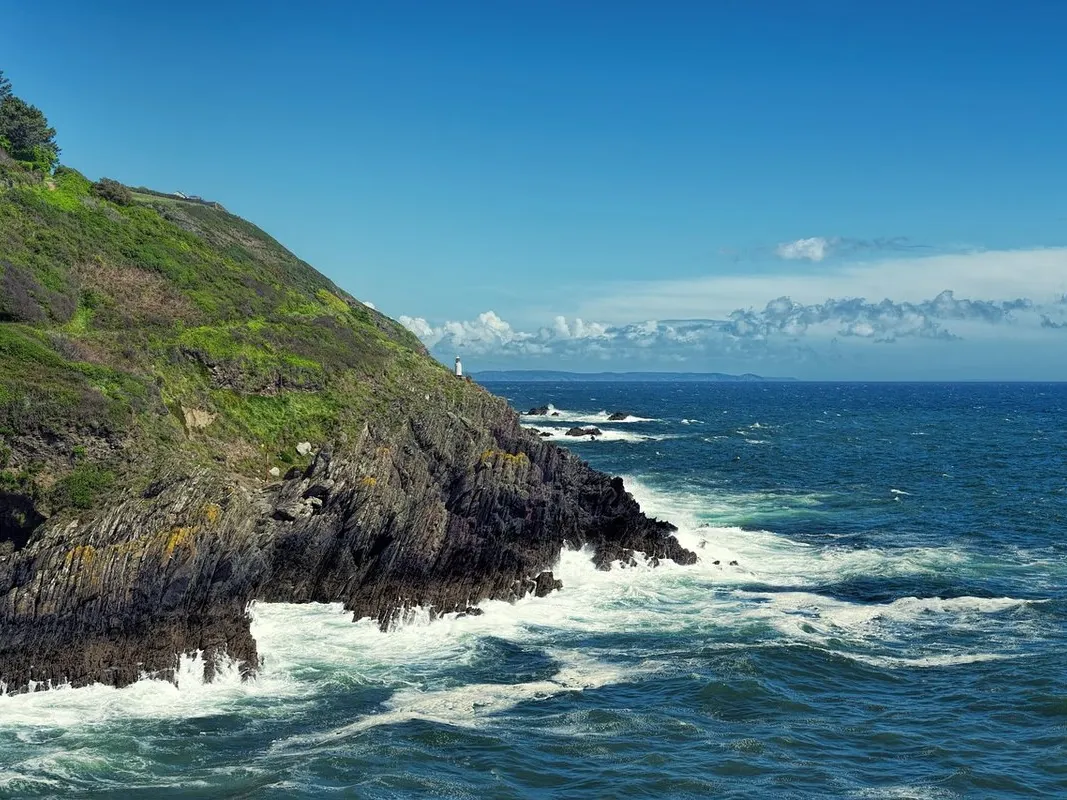
Searches Across St Ives' Beaches and Harbours
St Ives is one of England's most beautiful and visited coastal towns. Its three main beaches — Porthmeor (the dramatic surf beach below the Tate), Porthminster (sheltered and family-favourite), and Porthgwidden (tiny and intimate) — see consistent foot traffic throughout the year. The working harbour, the cobbled streets, the seafront, and the estuary at Lelant all present distinct recovery conditions. We're familiar with every one. Typical response time: a few hours.
We cover the entire St Ives area.
We serve all areas of St Ives, including:
- Porthmeor Beach (main surf beach and Tate St Ives backdrop)
- Porthminster Beach (sheltered, Blue Flag family beach)
- Porthgwidden Beach (small, intimate cove)
- The Harbour (working fishing harbour and mackerel boats)
- Smeaton's Pier and waterfront
- St Ives Head (the Island headland)
- The Tate St Ives gallery and cliff path
- The Barbara Hepworth Sculpture Garden
- Artists' Quarter and town centre
- Lelant and Hayle Towans (dunes and estuary)
Common Search Locations in St Ives
Porthmeor Beach and Tate Visitors
Porthmeor is where most visitors first arrive — the beach beneath the Tate St Ives is iconic and draws thousands annually. Rings are frequently lost here during photography, paddling, and beachside strolls. The beach faces north into Atlantic swells and has rock outcrops and mixed sand conditions. We understand Porthmeor's tidal patterns and how wave action affects ring deposition.
Porthminster: Families and Summer Crowds
Porthminster Beach is sheltered, south-facing, and blessed with fine golden sand. It's the town's family hub — busy in summer, quieter in winter. The gently sloping beach, shallow water, and proximity to beach huts and shops mean rings are lost regularly during paddling, settling down for the day, and children's play. Sand composition here is slightly different from Porthmeor — finer in places — which we account for in our detection strategy.
Porthgwidden and Secret Coves
The tiny, tucked-away Porthgwidden Beach is a hidden gem, favoured by locals and those seeking solitude. Fewer visitors mean less sand disturbance, but the small size and rocky boundaries create unique detection challenges. Rocks, seaweed, and fresh water seepage affect our approach.
The Harbour and Waterfront
The working harbour is still active — mackerel boats, tourist trips, and waterfront cafés create a constant stream of activity. Rings are lost from boat decks, harbour walks, and the pier areas. Water conditions, tidal flow, and harbour bed composition require specialist knowledge. We've recovered many rings from the immediate harbour zone and the adjacent Smeaton's Pier.
The Tate St Ives Grounds and Cliff Path
The Tate gallery's cliffside location, sculpture gardens, and the South West Coast Path all see losses. The Barbara Hepworth Sculpture Garden, with its mix of grass, gravel, and artistic spaces, has a different search profile than the beaches. We're equipped for garden, grass, and pathway searches as well as sand and water.
Artists' Quarter and Town Centre
The narrow cobbled streets, independent shops, restaurants, and galleries of St Ives' old quarter occasionally see ring losses — dropped during shopping, restaurant visits, or walks through the winding lanes. We search urban areas, courtyards, and gardens as needed.
Why Choose Ring Seekers St Ives
Porthmeor to Porthminster: We Know Every Beach's Character
St Ives' three main beaches are wildly different — Porthmeor's dramatic cliffs and Atlantic exposure, Porthminster's sheltered and tranquil waters, Porthgwidden's intimate setting. We've recovered rings from all of them and understand exactly how conditions differ across each one. Our search strategy changes depending on which beach lost your ring.
Expert in Tate Visitors and Holiday Season Crowds
St Ives' tourism is year-round but peaks during school holidays and summer months. The Tate brings international art visitors; the beaches draw families and surfers. We understand how seasonal variation affects ring losses and beach conditions. We deploy rapidly during busy periods because tides and crowds move quickly.
Harbour and Working Port Expertise
Unlike many seaside towns, St Ives is a working fishing port. We have experience recovering rings from boat decks, water edges, and active harbour zones — where standard beach detection isn't enough. We coordinate with harbour staff and boat operators discreetly.
Specialist in Artistic and Cultural Venues
The Tate St Ives, the Hepworth Garden, and the artists' quarter require a different approach than beach sand. We search sculpture grounds, gallery areas, and cobbled street zones — not just beaches.
Local Knowledge of Seasonal Patterns
We understand how St Ives changes week to week — artist and tourist seasons, school holidays, tide tables, beach cleaning schedules, and the specific loss patterns of each area. This knowledge directly improves your recovery odds.
Proven Track Record in a Complex Landscape
St Ives isn't just one beach — it's a multi-faceted environment. Our recoveries span Porthmeor's rock pools, Porthminster's family zone, the harbour's active waters, and the town's cultural spaces. We know where rings are most likely to be found in each context.
Marine-grade detectors and a sand-grid technique adapted to the specific terrain of this area. Commitment
We talk you through what happens in that case before you book. Pricing is explained transparently, so you know what to expect either way.
Multilingual and Welcoming Service
St Ives welcomes visitors from across Europe and the world. We speak English, Spanish, and other languages to ensure clear communication when you need us most.
Discreet Work in a Sensitive, Beautiful Setting
St Ives is known for romance, artistic inspiration, and quiet moments. We respect the intimate nature of holiday losses and work discreetly with venues and property owners.
Always Available — 24/7 for Emergencies
Ring losses don't follow business hours. Neither do we. Call anytime, day or night.
Understanding St Ives' Search Conditions
Three Distinct Beach Profiles
Porthmeor faces north with Atlantic exposure, moderate swell, and mixed sand with shells and pebbles. Porthminster faces south into the bay, is calmer, and has fine golden sand — excellent for metal detection. Porthgwidden is sheltered and small, with coarser sand, rocks, and fresh water input. We adjust detection equipment and search methods for each beach's specific composition and conditions.
Tidal Range and Coastal Dynamics
St Ives experiences a 4–5 metre tidal range on spring tides. This creates powerful tidal movement in the harbour and estuary, which affects ring recovery timing and search windows. Low tide at Porthmeor and Porthminster exposes additional sand and allows access to areas unreachable at high tide. We plan searches around optimal tidal windows.
Seasonal Sand Movement and Beach Dynamics
Summer weather and winter Atlantic storms dramatically alter sand profiles at both Porthmeor and Porthminster. A ring lost in July might be several feet deep by October; winter storms can shift sand metres in days. We assess recent weather and seasonal patterns to determine where to focus search efforts.
Estuary and Freshwater Effects
The Lelant estuary, which drains into the bay near Hayle Towans, introduces freshwater and alters soil conductivity. This affects metal detection performance; we recalibrate equipment for estuary-influenced areas. The dunes at Hayle Towans present mixed sand, marram grass, and historic dune movements — different conditions entirely from the main beaches.
Rock Outcrops and Harbour Structures
Porthmeor has visible rock formations, reefs, and outcrops. The harbour has concrete, stone structures, and metal fixtures. These rock and metal features require careful detection technique to distinguish from your ring. We use specialist equipment and manual methods to search rocky zones and urban harbour areas effectively.
Visitor Impact and Beach Grooming
St Ives' beaches see daily foot traffic and occasional formal cleaning. Beach maintenance can bury rings (which is actually protective) or expose them. We're familiar with grooming schedules and adjust our expectations accordingly. Heavy footfall from summer tourists creates sand disturbance that can work both for and against recovery — we know how to use it.
Ring recoveries from St Ives clients.
St Ives ring recoveries told by the people who lived them — and the team who made it happen.
FAQs – St Ives
I lost my ring at Porthmeor Beach near the Tate. How quickly can you help?
Call us immediately. During peak season, we reach Porthmeor within a few hours. The Tate location means foot traffic, potential beach cleaning, and tidal changes — speed matters. We have the experience and equipment to search Porthmeor's challenging conditions (rocks, mixed sand, wave action) effectively.
My ring was lost in the sea at Porthminster. Can you recover it?
Yes, if it's in shallow water or has washed ashore. We have specialist shallow-water detection equipment. Porthminster's calmer conditions compared to Porthmeor make recovery more likely. The sooner you contact us, the better — we'll assess the tidal window and plan accordingly.
I lost my engagement ring at the harbour while waiting for a boat trip. Can you search the working port area?
Absolutely. We have extensive experience in active harbour zones and work regularly with fishing boats and tour operators. We know how to search water edges, boat areas, and the unique conditions of a working port. Coordination with port staff is straightforward.
The Tate gallery suggested you. How do you handle searches on the gallery grounds and sculpture garden?
We're familiar with Tate St Ives and the Hepworth Sculpture Garden. These require different techniques than beach sand — we search grass, gravel, pathways, and garden soil effectively. We also coordinate discreetly with Tate staff if needed.
My ring is somewhere in St Ives town centre — possibly on the cobbled streets or in a restaurant. Can you help?
Yes. While we specialise in beaches and outdoor areas, we have the equipment and experience for urban searches. Cobbled streets, restaurant terraces, and town pathways are within our scope. Call us with details of the location and timeframe, and we'll advise on your options.
Does the difference between Porthmeor and Porthminster affect the search?
Absolutely. Porthmeor has rock outcrops, coarser sand, and Atlantic exposure — different detection challenges from Porthminster's fine, sheltered sand. We assess which beach lost your ring and adjust our equipment and approach accordingly. This is one reason local knowledge is critical.
How much does your service cost?
We don't publish a flat rate because no two searches are alike. Get in touch and we'll talk you through pricing transparently, based on the location, conditions, and complexity of the recovery. Nothing is agreed until you've heard the full picture. Card payment only.
What payment methods do you accept?
Payment is by Visa or Mastercard only.
I'm visiting from abroad and lost my ring. Can you help me even though I don't speak English fluently?
Yes. We speak multiple languages and work regularly with international visitors. Call us in the language you're most comfortable with — we'll make sure you're understood and fully informed throughout the process.
Is my ring still recoverable if I lost it a week ago?
Very likely. Rings lost in sand, especially with recent activity and tide changes, can be buried safely metres down. We have detection equipment that reaches deep. The later you contact us, the more sand movement may have occurred, but recovery is still possible. Call us for an honest assessment.
St Ives
Lost Your Ring in St Ives? Don't Leave Without It
You came to St Ives for its beauty, its art, its beaches — and a lost ring threatens to turn a perfect memory into regret. But rings lost on Porthmeor, buried in Porthminster's sand, or dropped near the harbour don't have to stay lost. We've found rings that had been buried for weeks, rings lost during crowded summer days, rings from every corner of this beautiful town. Call us within hours of realising it's missing, and let our local expertise and specialist equipment bring it back.