
Ayr
Need Ring Recovery in Ayr?
Professional metal detection across the Firth of Clyde beaches, the racecourse, and Burns country — Local response.
Ayr is Ayrshire's main seaside resort and Scotland's gateway to Robert Burns country. The town sits on the Firth of Clyde's southern shore, facing the Isle of Arran. The beach is long and sandy, facing the cold Atlantic waters. The Low Green, a historic parkland along the seafront, hosts walking and gathering. The racecourse—home of the Scottish Grand National—draws racing crowds and holidaymakers. Beyond the town, Burns's birthplace at Alloway and the iconic Brig o' Doon create pilgrimage sites where visitors lose rings constantly. Troon, just south, hosts the Royal Troon Golf Club. Turnberry, further south, is one of Scotland's most exclusive resorts.
Ayr is a place where history, culture, and coastal beauty converge. Visitors walk the beach with Burns's poetry in mind, take selfies at Burns landmarks, and lose rings to the Clyde's cold waters and sandy beaches. The racecourse brings crowds. The harbour, working and active, sees fishing boats and tourist boats. The golf courses (particularly Troon and Turnberry) are legend across Scotland and beyond.
When your ring goes missing in Ayr, you need a team that understands both the town's busy coastal areas and the surrounding Burns heritage sites.
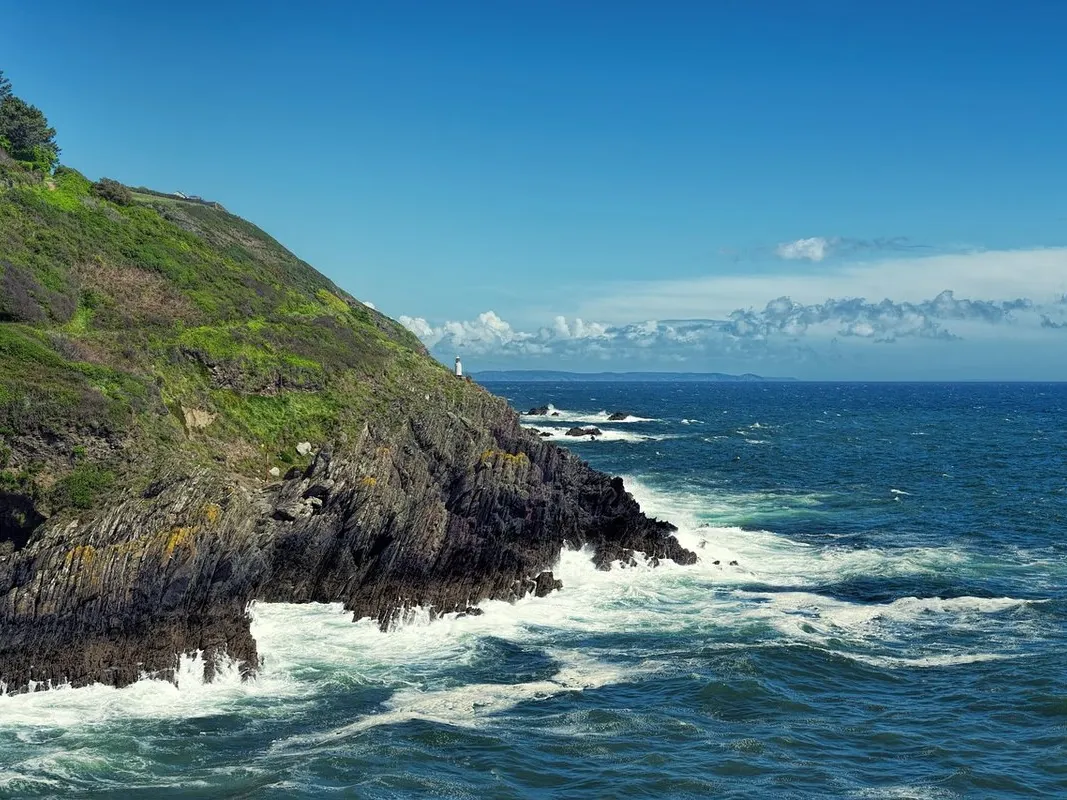
On the Ground Across Ayr's Beaches and Attractions
Ayr's coastline stretches for several kilometres along the Firth of Clyde. The **main town beach** is the focal point—a sandy strand backed by the seafront promenade, the Low Green, and the town centre. The **racecourse** sits on elevated ground overlooking the sea, with its own grounds and ancillary areas. The **harbour** is a working port with fishing and leisure boats, and a historic focal point of the town.
Beyond the immediate town, the surrounding region includes.
We serve all areas of Ayr, including:
- **Alloway** (2 km south) — Robert Burns's birthplace, the Burns Monument, and the Brig o' Doon
- **Troon** (8 km south) — a quieter resort with its own beach and the famous Royal Troon Golf Club
- **Turnberry** (30 km south) — an exclusive resort with world-class golf and dramatic clifftop locations
- **Prestwick** (adjacent) — the airport town and birthplace of The Open Championship golf tournament
- **Heads of Ayr Farm Park** — a family attraction with coastal views
- **Ayr's main beach** — the full sandy length facing the Firth of Clyde
- **The Low Green** — the parkland running along the seafront
- **The seafront promenade** — shops, cafés, and recreational areas
- **Ayr Racecourse** — public areas and grounds
- **The harbour & quayside** — working port and adjacent recreational areas
- **Burns Birthplace & Alloway** — the cottage, gardens, and surrounding grounds
- **Brig o' Doon** — the historic bridge and picnic area
- **Troon beach & seafront** — adjacent resort
- **Turnberry grounds** — resort approaches and public areas
- **River Ayr walks** — the Auld Brig and surrounding walkways
Common Search Locations in Ayr
Ayr's Main Beach & Seafront Promenade
Ayr's beach is the town's heart—a long, sandy strand backed by the Victorian promenade. Families cluster here during summer holidays; swimmers brave the cold Clyde water; walkers stroll in the evening. Rings are lost during paddling, by beachgoers resting on the sand, and during promenade walks. The beach's width is moderate, and sand conditions are relatively firm. The seafront promenade hosts cafés, shops, and benches—rings are lost while sitting, eating, and socialising.
The Low Green & Parkland
The Low Green is a historic green space running the length of the seafront—grassed areas, walking paths, and benches facing the Firth and Arran. This is a place where locals and tourists walk, rest, and enjoy views. Rings are lost on paths, during sitting, and near the commemorative monuments and features scattered through the park. The grass-to-beach transition is a natural loss point.
The Racecourse & Surrounding Grounds
Ayr Racecourse is a major attraction, especially during race days and the Scottish Grand National. The course itself sees concentrated activity. Rings are lost in the stands, on the course perimeter, and around the paddock areas. Non-race days see fewer people but regular activity. The elevated location offers views across the Firth; rings are also lost at viewpoints and car park areas.
Ayr Harbour & Working Waterfront
The harbour is alive with activity—fishing boats, tourist boat operators, and seafront workers. Rings are lost on the quayside, on moored boats, and in the shallow water at the harbour edges. The working status means coordinated access is needed, but most harbour losses are recoverable if the ring hasn't drifted into deeper water.
Burns Birthplace & Alloway
Burns's birthplace cottage, the Burns Monument, and the surrounding gardens draw international pilgrims. Rings are lost in the cottage's exterior areas, in the gardens, on the monument steps, and around the picnic areas. The site is managed and peaceful—fewer losses than busy beaches but concentrated in defined zones.
Brig o' Doon & River Walks
The Brig o' Doon (the historic stone bridge over the River Ayr, famous from Burns's poem "Tam o' Shanter") is iconic. Visitors climb the bridge, walk the riverside paths, and lose rings during photo stops and walking. The river's banks and the water itself are loss zones. The picnic areas near the bridge draw families.
Troon Beach & Royal Troon Golf Club Surrounds
Troon's beach is quieter than Ayr's, attracting swimmers and families. The Royal Troon Golf Club's approaches and public areas see golf tourists. Rings are lost on the beach and in the golf course approaches. Troon's resort status means some private areas, but public beaches are accessible.
Why Choose Ring Seekers Ayr
We Know Ayr from the Beach to Alloway to Turnberry
Our Ayr team understands the entire region—from the town's busy seafront to Burns's heritage sites to the championship golf courses beyond. We've searched Ayr's main beach, the Low Green's parkland, the racecourse grounds, and the quiet waters off Troon. We know where Burns pilgrims lose rings, where racecourse crowds congregate, and where golfers lose their wedding bands on Troon and Turnberry's fairways and roughs. We understand the Ayrshire coast intimately.
Locally Based, Locally Mobilised
Calls are handled directly by our local team and we head out as soon as we're free.
Professional Equipment for Scottish Coastal & Parkland Conditions
Ayrshire's beaches have specific sand composition and mineral characteristics. The Firth of Clyde's cold water presents specific recovery challenges. Our equipment is calibrated for Scottish coastal conditions. We carry waterproof detection equipment for water losses and VLF detectors suited to Ayrshire's sand. We also have expertise in parkland and grass searching for Low Green and memorial site losses.
Discussed at Booking, Not Hidden
Costs are tailored to the specifics of your search and explained directly on the call. Nothing is agreed until you've heard the full picture.
Hundreds of Successful Recoveries Across Ayrshire & the Clyde Coast
We've recovered rings from Ayr's busy beach, the racecourse grounds, the Burns sites, the Low Green parkland, and the waters off Troon. We understand what conditions preserve rings and which destroy them. We've learned Ayrshire patterns through extensive local searches, including rings lost by golfers on championship courses.
Multilingual Service
Ayr attracts international visitors—Burns fans, golf tourists, and holiday visitors. We speak English, Spanish, and French. Communication is immediate and clear, regardless of visitor background.
Discreet & Professional
We coordinate with racecourse operators, the Burns Heritage Trust, harbour authorities, and golf course management. We work respectfully within these managed environments. We search quickly and professionally.
Full Coverage—From Urban Ayr to Burns Country to Championship Courses
Whether your ring is lost on Ayr's busy main beach, in the quiet Burns gardens at Alloway, on the Low Green, at the racecourse, or in Troon's quieter resort setting, we cover it. We have access to public areas and can arrange access to private attractions when needed.
Understanding Ayr's Search Conditions
Firth of Clyde Water Temperature & Conditions
The Firth of Clyde is cold year-round—swimmers and paddlers lose rings regularly in the cold water. The water is tidal and moves with Atlantic currents. Rings lost in the immediate foreshore zone (within paddling distance) are often recoverable. Rings lost further out are harder to retrieve. We understand Clyde water movement and tidal patterns.
Ayrshire Beach Sand Characteristics
Ayr's sand is relatively firm and moderate in depth. It's not as heavily mineralised as some Scottish beaches, making metal detection effective. Rings don't sink deep; they settle on or just beneath the surface. However, foot traffic on the busy beach can mean rings are walked over repeatedly without being obvious.
Parkland vs. Beach vs. Monument Search Zones
Ayr requires versatility—searching open beach is different from searching the Low Green's parkland and grass. Monument sites and heritage areas demand careful, respectful search methods. Burns sites see lighter foot traffic than beaches, which is advantageous for ring preservation. We adapt our technique to each environment.
Seasonal Variation—Burns Tourism & Racecourse Activity
Burns's birthplace sees variable visitor numbers throughout the year, peaking around Burns Night (25 January) and summer holidays. The racecourse has specific busy days (race days, Scottish Grand National, bank holidays). Understanding seasonal patterns helps us predict loss concentration and search intensity.
Golf Course Losses—Fairways & Rough
Championship golf courses (particularly Troon and Turnberry) see golfers losing rings regularly. Rings lost on fairways are often recovered quickly. Rings lost in rough or water hazards require different search approaches. Golfer losses often involve wedding bands lost during play—urgent and emotionally significant recoveries.
Tidal Range & Harbour Dynamics
Ayr's tidal range is moderate. The harbour experiences tidal movement that shifts sediment and boat positions. Understanding tides is critical for harbour and water-edge losses. The working harbour's activity means coordinated search timing with operational schedules.
Stories from clients across Ayr.
Real losses, real recoveries — what our Ayr clients experienced when they thought their ring was gone.
FAQs – Ayr
I lost my ring on Ayr's main beach during a busy summer day. Will the crowds have made recovery impossible?
Not necessarily. Heavy foot traffic keeps the surface active, which can actually prevent rings from being buried deep. However, the ring may have been kicked or moved. Our advantage is understanding how Ayr's beach responds to heavy foot traffic and being able to predict where a ring is likely to have moved. Summer crowds are managed well by our team.
Can you search the Burns Birthplace and gardens?
Yes. The Burns Heritage Trust is cooperative, and the cottage and gardens are accessible for searches. Most losses here are in the exterior grounds and gardens rather than inside the cottage. These are concentrated, managed areas, making searches efficient and respectful.
My ring was lost at the racecourse. How do you access the grounds?
We coordinate with the racecourse management and conduct searches during non-race periods when access is easier. Most racecourse losses are in public areas or the stands rather than on the course itself. We liaise directly with the course operators.
Can you search Turnberry or other championship golf courses?
Yes, if access can be arranged. Championship courses require coordination with golf course management, but most are cooperative for ring recovery searches. Fairway and rough losses on Turnberry or Troon are searches we can undertake with proper access.
What if my ring went into the Firth of Clyde off Ayr's beach?
If the ring landed in the shallow water zone within paddling distance of the shore, recovery is possible. The Clyde's water is cold and tidal; the longer you wait, the more the ring may drift. Contact us immediately with details of the loss location and water depth, and we'll assess feasibility. We have waterproof equipment for Clyde water losses.
Can you search the Low Green parkland?
Yes. The Low Green is public parkland, and we can search the grass, paths, and grassed areas systematically. Parkland searches are different from beach searches but equally important. Rings lost on the grass are often well-preserved.
How much does your service cost?
We confirm pricing when you book, after we understand the situation. That keeps the figure honest and tied to the actual job. Contact us with the details and we'll explain clearly. Card payment only.
What payment methods do you accept?
Payment is exclusively by credit or debit card (Visa, Mastercard).
Can you search the River Ayr walks and the Brig o' Doon?
Yes. The riverbanks and the bridge area are publicly accessible. We can search the paths, the bridge itself, and the river's banks. The river's water is less saline than the Firth but still cold. We can search water losses in the immediate bridge approach area.
Do you operate year-round in Ayr?
Yes. We work year-round, 24/7. Ayrshire's winter can be challenging, but searches are possible. Off-season (October–April) actually offers advantages—fewer crowds at beaches and attractions, less sand disturbance, and good visibility. Contact us, and we'll assess seasonal conditions.
What if my ring was lost weeks ago?
Ayr's beaches and parkland often preserve rings well. If the ring wasn't swept into the Firth or buried under maintenance, it may still be recoverable weeks or months later. Contact us with as much detail as possible about the original loss location, and we'll assess likelihood.
Ayr
Lost Your Ring in Ayr? The Clyde Won't Give It Back.
Ayr is a place of culture, heritage, and beautiful coastal scenery. The Firth of Clyde stretches before you. Burns's legacy surrounds you. The racecourse draws crowds. The beach beckons. But Ayr is also a place where rings slip from fingers into the sand and the cold water.
But nothing is lost forever if you act immediately. The sand hasn't moved yet. The tide hasn't covered your loss zone. The crowds haven't displaced everything. Contact us now.