
Falmouth
Need Ring Recovery in Falmouth?
Ring Seekers provides expert ring and jewellery recovery across Falmouth, the world's third-deepest natural harbour and one of Cornwall's most elegant coastal towns. Whether you've lost a ring at Gyllyngvase Beach, around Pendennis Castle, or anywhere in this picturesque harbour setting, we'll find it with professional metal detecting expertise. Available 24/7 — call us now.
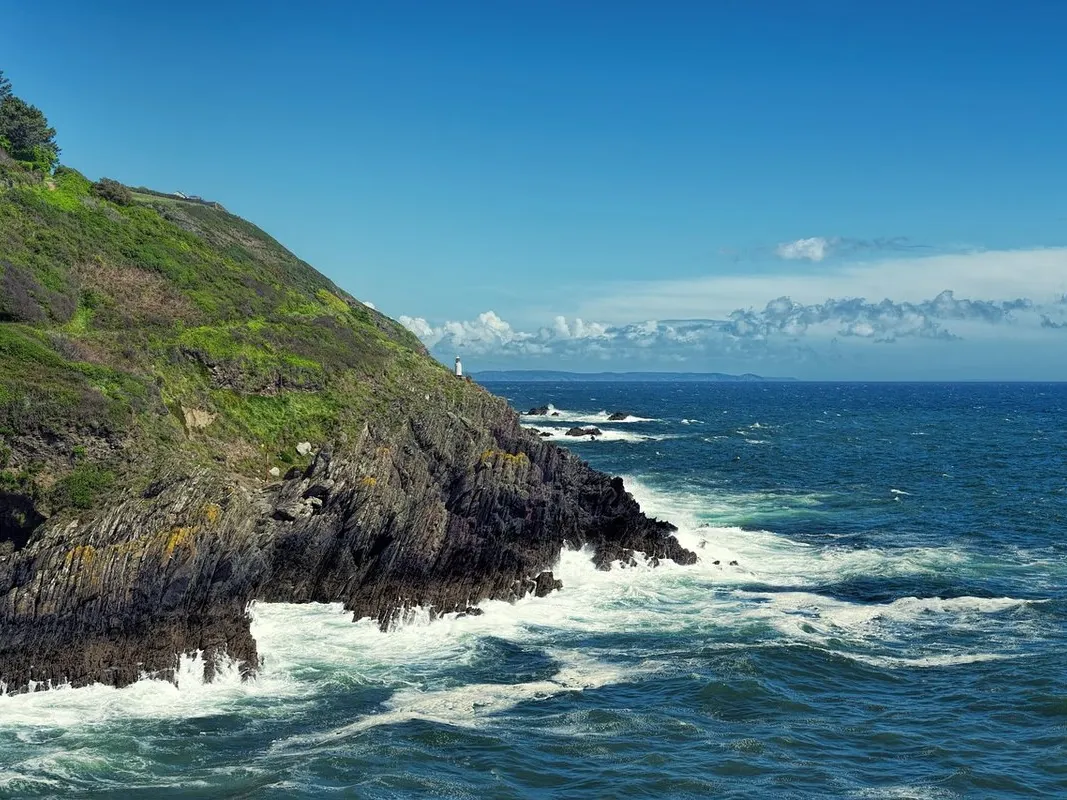
Across the Whole of Falmouth's Beaches, Harbour, and Marina
Falmouth is defined by its extraordinary natural harbour — Carrick Roads — and the elegant array of beaches, gardens, and waterfront experiences that surround it. Our specialists are familiar with Gyllyngvase Beach (the main sheltered south-facing beach and Blue Flag favourite), Swanpool Beach (quieter and more local), Castle Beach (beneath Pendennis Castle), the working and leisure marina, the waterfront promenade, and the surrounding parkland and gardens. We also serve the nearby National Trust gardens (Trebah and Glendurgan) and the estuary zones. Typical response: a few hours during peak season.
We cover the entire Falmouth area.
We serve all areas of Falmouth, including:
- Gyllyngvase Beach (main beach, sheltered, Blue Flag)
- Swanpool Beach (quieter, family-friendly)
- Castle Beach (Pendennis Castle vicinity)
- Pendennis Castle and headland grounds
- Falmouth Marina and leisure harbour
- The working waterfront and commercial docks
- Flushing (across the estuary)
- Mylor Harbour and creek
- The Moor (town centre)
- Trebah Garden (National Trust, nearby)
- Glendurgan Garden (National Trust, nearby)
- Princess Pavilion and events venues
- Falmouth Waterfront Promenade
Common Search Locations in Falmouth
Gyllyngvase Beach and Family Zone
Gyllyngvase is Falmouth's flagship beach — sheltered, south-facing, blessed with fine golden sand and calm conditions. It's the town's primary family and leisure destination, with consistent foot traffic, beach huts, and an array of waterfront facilities. The fine sand here is excellent for metal detection, and rings are regularly lost during paddling, settling, and water entry. We understand Gyllyngvase's specific sand composition and tidal patterns intimately.
Swanpool Beach and Local Favourite
Swanpool is quieter than Gyllyngvase, preferred by locals and those seeking slightly less busy conditions. The beach has a different sand profile — coarser in places, with rock outcrops visible at low tide. Rings here often remain undisturbed longer, which can mean deeper burial but also greater protection. We adjust our detection strategy for Swanpool's specific conditions.
Castle Beach and Historic Headland
Castle Beach sits beneath the iconic Pendennis Castle — a Tudor fortress and Falmouth landmark. This smaller, more intimate beach sees less traffic than Gyllyngvase but brings tourists visiting the castle. Ring losses here have unique patterns. The beach has rock formations, sand, and access challenges that we've learned to navigate.
Pendennis Castle Grounds and Headland
The castle's extensive grounds, the headland walk, and the surrounding historic landscape occasionally see ring losses during exploration and photography. We're equipped for searches beyond beach sand — including grass, pathways, and heritage grounds.
Falmouth Marina and Waterfront
Falmouth's marina is a destination in itself — modern leisure mooring, restaurants, shops, and water activities create consistent foot traffic and ring loss opportunities. Water-based losses from boat decks, pontoons, and the waterfront promenade require specialist knowledge and equipment. We've recovered many rings from Falmouth's busy marina environment.
The Waterfront Promenade and Events Venues
The Princess Pavilion and surrounding waterfront venues host events, markets, and social gatherings. Rings are lost during celebrations, walking, and promenade activities. The mixture of hard standing, water edge, and open space requires varied detection approaches — we handle them all.
Trebah and Glendurgan Gardens
These stunning National Trust gardens (nearby, across the estuary) are Falmouth's cultural gems. Ring losses in gardens, on pathways, and in landscaped grounds require different techniques than beaches. We're equipped for garden and heritage site searches.
Flushing and Estuary
Across the estuary, Flushing and Mylor Creek offer quieter, more local environments. Estuary conditions — tidal flow, freshwater input, muddy zones — create specific search profiles different from open beaches. We've recovered rings from estuary areas and understand their unique conditions.
Why Choose Ring Seekers Falmouth
Carrick Roads Expertise: From Gyllyngvase to the Marina
Falmouth's defining feature is its world-class natural harbour. Understanding harbour dynamics, water movement, tidal flow, and the interaction between fresh and saltwater is critical to successful ring recovery in this location. Our team has specialised knowledge of Carrick Roads and how it affects detection and recovery strategy.
Gyllyngvase Specialists: Fine Sand, South-Facing Advantage
Gyllyngvase's sheltered, south-facing position and fine sand make it ideal for both metal detection and family leisure. We understand the specific sand dynamics, the seasonal calm, and the quiet-season access conditions. We've developed specific strategies for this beach that maximise detection sensitivity while managing the sand's composition.
Harbour and Marina Experience
Unlike many location pages, Falmouth's economy and character are defined by water and maritime activity. We have specialist expertise in detecting from boat decks, pontoons, water edges, and in-water conditions. Water-based ring losses have specific recovery windows and approaches — we understand them completely.
Pendennis Castle and Historic Venue Knowledge
Falmouth's heritage attractions, historic sites, and cultural venues occasionally see ring losses. We're experienced in searching castle grounds, heritage pathways, and landscaped areas — not just beaches. Pendennis Castle brings specific foot traffic and access patterns — we account for these.
Garden and Parkland Search Capability
Trebah and Glendurgan Gardens represent Falmouth's broader attractions. We're equipped to search gardens, lawns, gravel pathways, and heritage grounds. This diversifies our recovery capability beyond typical beach-only services.
Estuary and Water Specialist
The Flushing estuary, Mylor Creek, and Carrick Roads' unique freshwater-saltwater interaction create specific detection conditions. We understand estuary dynamics and can search areas where standard beach techniques don't apply. This gives us an edge in water-adjacent and estuary-based losses.
Proven Track Record in a Complex Landscape
Our recoveries span Gyllyngvase's busy family zone, Swanpool's quieter stretches, Castle Beach's historic setting, the active marina, and the surrounding gardens and estuary. This breadth of experience directly benefits your recovery prospects.
specialist saltwater and shoreline recovery
We discuss this directly with you at the time of booking. Reach out and we'll walk through how pricing handles unsuccessful searches before any work begins.
Multilingual Service and International Welcome
Falmouth welcomes visitors from across Europe and beyond. We speak multiple languages and work regularly with international tourists to ensure clear communication and full understanding throughout recovery.
Discreet, Professional Work in an Elegant Setting
Falmouth's sophistication and beauty demand respect. Ring losses during romantic moments, holiday celebrations, or cultural visits are handled with full professionalism and discretion. We work seamlessly with venues, galleries, and estate staff.
Available 24/7 for Emergencies
Ring losses don't follow business hours. Neither do we. Call anytime, day or night, for immediate response and recovery assessment.
Understanding Falmouth's Search Conditions
Sheltered South-Facing Advantage
Gyllyngvase's shelter and south-facing aspect create calm conditions compared to Atlantic-exposed beaches. This means less dramatic sand movement and more stable, predictable conditions for recovery planning. The fine, well-sorted sand is excellent for metal detection — one of the best beach types for search success.
Carrick Roads Tidal Dynamics
Falmouth's extraordinary natural harbour creates complex tidal patterns. Tidal range is 4–5 metres on spring tides, and the confluence of the Fal, Tamar, and Helford rivers creates freshwater input that changes water conductivity and sediment patterns. We understand how these dynamics affect detection and plan searches around optimal tidal windows.
Estuary Water and Conductivity
The estuary zones (Flushing, Mylor, Carrick Roads) have freshwater-saltwater mixing that alters soil and water conductivity compared to open beaches. We recalibrate detection equipment for estuary conditions and adjust our search approach accordingly. This is one reason local expertise is critical — estuary detection is different from typical beach work.
Sand Composition and Beach Character
Gyllyngvase's fine sand is different from Swanpool's coarser stretches and Castle Beach's rock-influenced profile. We assess the specific beach and adjust detection sensitivity. Fine sand is excellent for detection; coarser sand with pebbles requires technique adjustments. Castle Beach's rocks require care to distinguish from your ring.
Seasonal Tourism and Crowd Patterns
Falmouth sees year-round tourism but peaks during school holidays and summer months. Busy periods bring foot traffic and sand disturbance; quieter seasons mean more stable conditions. We assess timing and adjust our response strategy accordingly.
Heritage Site and Garden Conditions
Trebah and Glendurgan Gardens have soil, grass, gravel, and mixed ground conditions entirely different from beach sand. We assess search location and deploy appropriate techniques — soil probe, grass detection, or pathside search. Heritage grounds require knowledge of terrain and access restrictions — we have both.
Harbour Hard Structures and Water Edge
The marina, waterfront promenade, and water edges present concrete, stone, steel, and mixed metal surfaces that require careful detection to avoid false signals. We use specialist equipment and technique to search these zones effectively.
Success stories from across Falmouth.
Real recoveries from real people across Falmouth demonstrate what professional ring recovery can achieve.
FAQs – Falmouth
I lost my ring at Gyllyngvase Beach. How quickly can you reach me?
Call immediately. Gyllyngvase is our main response zone, and we typically reach there within a few hours during peak season. The sheltered, sandy conditions mean good detection prospects — the sooner you alert us, the sooner we can search the optimal tidal window.
Can you search Swanpool Beach? It's quieter than Gyllyngvase but I'm not sure if that helps.
Yes, absolutely. Swanpool's quieter conditions work in your favour — less daily disturbance means rings are less likely to be moved or lost to deeper sand. The coarser sand composition requires adjusted detection technique, but Swanpool actually has a good recovery track record. Call us with details.
My ring was lost in the sea near Pendennis Castle. Can you recover it?
Yes, if it's in shallow water or has washed ashore. Castle Beach's location and water movement create specific conditions we understand well. We have specialist equipment for shallow-water detection. The sooner you call, the better — we'll assess tidal windows and plan an immediate search.
I lost my ring at the Marina. Can you search a working and leisure harbour zone?
Absolutely. We have extensive experience in active marina environments. Rings are lost from boat decks, pontoons, and waterfront walking. We've recovered many rings from Falmouth Marina specifically. Water-edge conditions and harbour dynamics are our speciality. Call us with the specific location details.
Can you search the gardens at Trebah or Glendurgan?
Yes. While we specialise in beaches, we're equipped for garden and heritage ground searches. Trebah and Glendurgan are beautiful but require different detection methods than sand. If you lost your ring in a garden, provide details of the location (grass, gravel, pathway) and we'll advise on recovery prospects.
Does the sheltered nature of Falmouth affect your detection strategy?
Sheltered conditions are actually advantageous. Less dramatic sand movement means more stable conditions and more predictable ring deposition. Gyllyngvase's fine sand is one of the best beach types for metal detection. Sheltered conditions don't complicate recovery — they simplify it.
How much does your service cost?
We confirm pricing when you book, after we understand the situation. That keeps the figure honest and tied to the actual job. Contact us with the details and we'll explain clearly. Card payment only.
What payment methods do you accept?
Card payments only — credit or debit (Visa, Mastercard).
I'm visiting Falmouth from abroad. Can you assist non-English speakers?
Yes. We work regularly with international visitors and speak multiple languages. Call us in the language you're most comfortable with — we'll ensure clear communication and keep you fully informed throughout the recovery process.
I lost my ring weeks ago at Gyllyngvase. Is it still findable?
Very likely. Weeks of tidal movement often bury rings safely metres deep, protecting them from further disturbance or loss. Our equipment reaches deep into sand, and we've recovered many rings lost weeks or months previously. Call us for an assessment — recovery is often more likely than people realise.
Falmouth
Lost Your Ring in Falmouth? Recover It Now
Falmouth's beauty — the elegant harbour, the sheltered beaches, the historic castle, the world-class gardens — makes it unforgettable. But a lost ring threatens that memory with regret. Don't let it stay lost. Whether your ring is buried under Gyllyngvase's fine sand, in the marina's waters, or on the paths around Pendennis Castle, we'll find it. We know Falmouth's beaches, harbours, and conditions intimately. Call within hours of realising your ring is missing, and let our expertise bring it back.