
Carlisle Bay
Lost Your Ring at Carlisle Bay?
The Main Swim Beach, Bridgetown Harbour, and the Sunken Shipwrecks — Barbados Capital Recovery
Carlisle Bay is the beating heart of Barbados — the natural harbour that built the capital. If you've lost a ring here, you're not alone. Every week, visitors and locals drop jewellery into the calm turquoise water during snorkeling, swimming from the public beach, or disembarking from the cruise ships that line the harbour.
The bay is protected, well-mapped, and accessible — which means **we can recover your ring fast**.
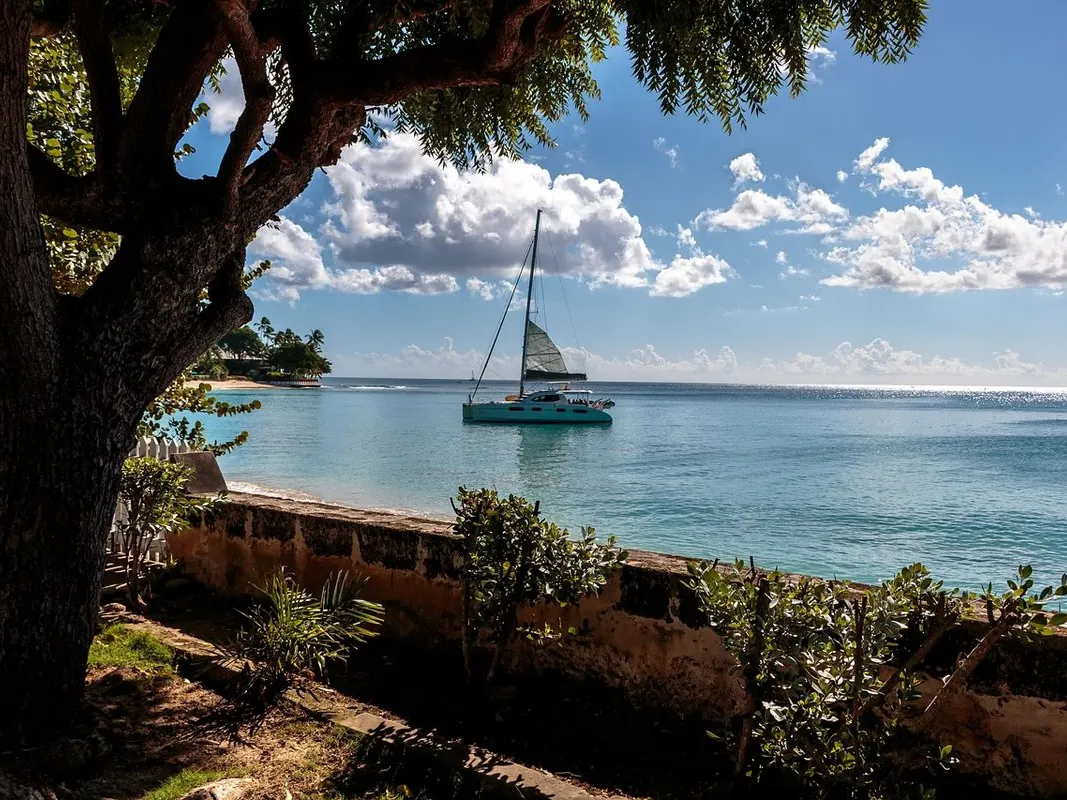
Reaching Every Part of Carlisle Bay
Carlisle Bay spans a large area, but we know every section. The main swim beach runs along the harbour front — sheltered, warm, and busy year-round. The deeper snorkeling zone extends out to the famous shipwrecks: the _Berwyn_, _Stavronikita_, _Eileen_, and _Fox_ — all sunk deliberately and now home to coral and marine life, sitting in 10–15 metres of water. The Boatyard beach bar (extremely popular evening spot) attracts swimmers and sunbathers who frequently remove rings before entering the water.
Cruise ships anchor in the bay, and tenders ferry thousands of passengers ashore daily. Disembarking passengers often swim from the public beach or visit the Pelican Village craft market nearby — new jewellery purchased duty-free on board frequently gets lost within hours of arrival.
We respond to Carlisle Bay within **a few hours** of your call, depending on our current location and harbour traffic. The calm water and sandy bottom make detection straightforward.
We serve all areas of Carlisle Bay, including:
- Carlisle Bay Public Beach
- Cruise Port and Tender Zone
- Shipwreck Snorkeling Zone
- Boatyard Beach Bar Area
- Pelican Village Nearby Waters
- And everywhere else around Carlisle Bay
Common Search Locations in Carlisle Bay
Carlisle Bay Public Beach
The main beach is wide, sandy, and regularly maintained. Ring losses here are typically from swimmers, sunbathers, and people wading while fully clothed. The sand is dark and fine — excellent for metal detection. We work the beach systematically from the water's edge back 20–30 metres inland.
Cruise Port and Tender Zone
Bridgetown Cruise Terminal serves mega-ships carrying 4,000–6,000 passengers. Tenders bring people to the bay shore. Ring losses in this zone spike on cruise days — people removing jewellery before boarding tenders, fingers swelling in the warm water, or items falling during the tender transfer. We coordinate with port authorities to access the landing zone safely.
Shipwreck Snorkeling Zone
The four sunken ships are snorkeling destinations for visitors and boat tour operators. Rings slip off during entry, while underwater, or during surface intervals. We work with dive and snorkel operators to locate losses and coordinate underwater recovery if needed (our team includes trained divers).
Boatyard Beach Bar Area
This beachfront bar is packed most evenings — loud music, swimming, dancing. Rings go missing at the bar rail, in the sand adjacent to sunbeds, and in the shallow water during evening swims. The bar zone is compact and accessible.
Pelican Village Nearby Waters
The craft market sits near the bay. Tourists purchasing jewellery sometimes lose it within minutes of leaving the shop by visiting the beach immediately after. Losses are often near the waterfront stairs and shallow access points.
Why Choose Ring Seekers Carlisle Bay?
We Know Cruise Port Protocols
Cruise losses follow predictable patterns — timing, passenger flow, tender schedules. We've worked this bay hundreds of times and coordinate directly with port authorities for fastest access.
Snorkeling Zone Specialists
Four shipwrecks, multiple snorkeling operators, and our trained dive team mean we can respond to in-water losses at depth. Most other metal detecting services can't.
Calm Water Advantage
Carlisle Bay's protected status means minimal wave action, less sand movement, and higher recovery probability compared to the rough Atlantic side of the island.
Proven Track Record
Hundreds of recoveries in Bridgetown and the wider south coast. We know the bay's sand composition, depth profile, and seasonal shifts intimately.
24/7 Emergency Response
Cruise ships come at all hours. If you lose a ring during a shore excursion, contact us immediately — we'll meet you at the tender dock or beach.
Professional Equipment
Our metal detecting gear is calibrated for saltwater, shallow bays, and various ring compositions. We use pinpointing coils for precision in shallow water.
Discreet and Respectful
We work quietly around busy areas, respecting the Boatyard's business and the cruise port's operations.
Multilingual Team
Many visitors losing rings don't speak English as a first language. We communicate in multiple languages to clarify location, timeline, and details.
Understanding Carlisle Bay's Search Conditions
Sandy Bottom with Shell Deposits
The bay floor is primarily sand, but with scattered shells and coral fragments, especially near the shipwrecks. Shells can mask metallic signals, so we use discrimination settings carefully. The sand is stable — items don't migrate far after sinking.
Saltwater and Depth Variation
The public beach zone is 1–2 metres deep at its maximum. The snorkeling zone drops to 10–15 metres at the wrecks. Saltwater affects detection depth — we adjust coil and frequency accordingly. Rings in deeper water require different technique or diving recovery.
Tidal Movement
Carlisle Bay experiences modest tidal swing (roughly 1 metre). Your ring may shift 2–3 metres with tide change — small, but significant for pinpointing. We factor tide direction into our search grid.
Cruise Ship Wake and Sediment Disturbance
Large ships departing can stir the bay floor, creating turbidity. If you lost a ring as a ship was leaving, we begin searching as soon as we arrive — sand resettlement is rapid. Waiting 24 hours may bury your ring deeper.
Snorkel Operator Traffic
Popular wreck sites see daily boat traffic. People snorkeling the same spot repeatedly means more activity and higher chances someone spots your ring — alert operators immediately.
Success stories from across Carlisle Bay.
Behind every story below is a ring that came back. These are the people who entrusted us with their Carlisle Bay search.
FAQs – Carlisle Bay
Can you recover rings from the shipwrecks?
Yes. Our team includes trained divers experienced in underwater recovery. If your ring was lost while snorkeling the _Berwyn_, _Stavronikita_, or other wrecks, contact us right away — we'll coordinate with the snorkel operator and plan an underwater search. Deeper recoveries take more time but are very achievable.
What if I lost my ring while getting on or off a cruise tender?
Tender zones are predictable. We know the dock layout, the water depth, and typical loss patterns. Call us immediately with the tender departure time, and we'll search the zone. Rings often settle quickly in calm water.
Is the bay floor sandy enough for metal detection?
Yes, absolutely. The bay is primarily sand and shell, which is ideal for detection. The stable bottom means your ring won't migrate significantly. We can pinpoint items to within 30 centimetres.
What if the cruise ship has already left?
If you realize your loss after departure, contact us anyway. Many cruise passengers recover their rings days later because the ring remained in the sand or was spotted by beach staff. We've reunited people with rings even after they've returned home.
Can you search at night if a cruise ship arrives after dark?
Yes. We use portable lighting and our detection equipment works equally well in daylight or darkness. Call us and we'll arrange a night search if needed.
How much does your service cost?
Pricing varies depending on what's involved. Reach out by phone or WhatsApp with the details of your loss and we'll explain the cost structure transparently before any work begins. We process payment by card.
What payment methods do you accept?
Payment is by Visa or Mastercard only.
Carlisle Bay
Don't Leave Carlisle Bay Without Your Ring
Cruise day is chaotic. But your ring is still in the bay, waiting. We've recovered hundreds of rings from this water, and yours is recoverable. The difference between "lost forever" and "safe on your finger" is one phone call.