
Stockholm
Ring Lost in Stockholm?
We'll find it across the islands, waterfront, and city beaches — fast.
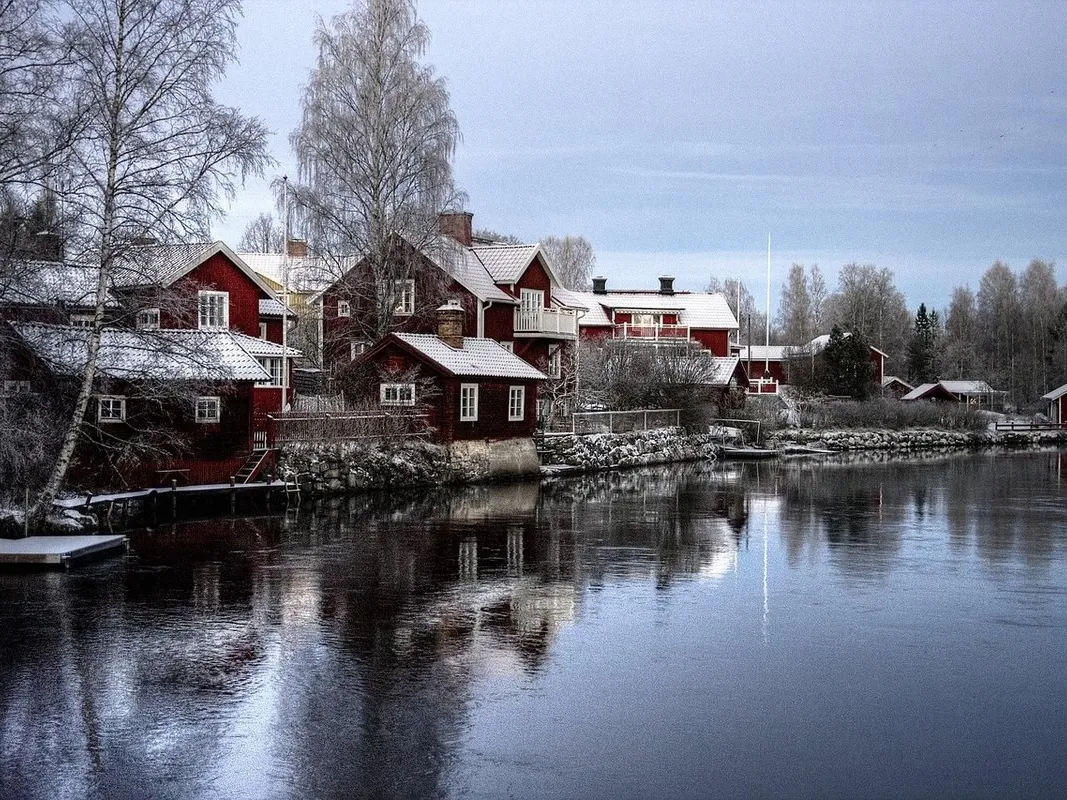
Across the Whole of Stockholm's Islands & Waterfront
Stockholm stretches across 14 islands, connected by bridges and ferries. A ring can slip off at any point — on a crowded beach at Långholmen, during an outdoor meal in Gamla Stan, or while swimming near Djurgården. We're based locally and know every district, every beach access point, and every seasonal variation in the archipelago.
We typically respond within a few hours, depending on the time of day and the season. Summer (June–August) brings extended daylight — we search effectively until late evening. Even during Stockholm's long winters, we cover all year-round swimming spots and urban areas.
Areas we cover:
- **Central islands**: Djurgården (Skansen, Vasa Museum, Gröna Lund), Gamla Stan (Old Town), Södermalm, Norrmalm, Kungsholmen
- **City beaches**: Långholmen (Södermalm's beloved swimming island), Smedslätten (Bromma bay), Tantolunden waterfront park, Kastellholmen
- **Suburban waterfront**: Råstasjön (freshwater lake), Bromma boat clubs, Alvik marina
- **Archipelago day-trips**: Vaxholm, Sandhamn, Värmdö, Waxholm Fortress area
- **Waterfront boulevards**: Strandvägen, Lake Mälaren western shore, Norrmalmstrand
Common Search Locations in Stockholm
Beaches and Swimming Areas
Långholmen is Stockholm's most popular urban beach — thousands swim there in summer. Rings slip off while changing, wading, or sunbathing on the sandy shores. Smedslätten offers a sheltered bay experience; Smedslätten attracts families and boaters. The water here is calm, but the seabed varies between sand and clay. We've recovered rings from both visible and buried locations on these beaches.
Outdoor Dining and Café Culture
Stockholm's outdoor dining explodes in summer. Gamla Stan's cobbled squares fill with restaurants and wine bars. Rings are easily lost during meals — slipped into napkins, dropped on table edges, or pulled off by jewellery friction while eating. Strandvägen's elegant cafés and Djurgården's waterfront restaurants are common loss points. We search table areas, paved spaces, and garden grounds at these venues.
Parks and Waterfront Walks
Tantolunden park (Södermalm) runs along the water with grassy meadows and swimming access. Skansen and Gröna Lund attract millions annually. Rings are often lost during picnics, walks, or family outings in these parks. The grass can hide rings effectively — our metal detecting equipment pinpoints them quickly.
Boating, Marinas, and Ferry Points
Stockholm's archipelago culture means countless boats, kayaks, and ferries. Rings slip off at boat clubs, marinas (Alvik, Bromma), and ferry terminals. Wharves and wooden decking are common loss points. We can search vessel areas and dock zones with venue permission.
Lake Mälaren (Freshwater Areas)
Råstasjön and Lake Mälaren's shallow bays attract swimmers and paddlers. Freshwater recovery differs from salt water — our equipment is calibrated for both conditions.
Why Choose Ring Seekers Stockholm
We Know the 14 Islands Intimately
Stockholm isn't one beach — it's an archipelago city with distinct geography. We know the tidal patterns, seasonal water levels, beach composition (sandy shores vs. rocky outcrops), and access routes to every swimming spot. Whether your ring is lost on Långholmen's main beach or a hidden cove on Djurgården, we know where to search.
Local Response, Even in Summer
Peak season (June–August) brings chaos — crowds, traffic, tourism. We're positioned across the city to reach you fast. Our local response time is measured from your call; we account for Stockholm's geography and seasonal variation.
Expert Recovery in Both Salt and Freshwater
Stockholm has both archipelago salt water (Djurgården, Gamla Stan waterfront) and freshwater lakes (Mälaren, Råstasjön). Water composition affects metal detection — we're equipped and experienced for both. Salt water recovery requires different techniques than lake water; we know the difference.
Specialised Equipment for Nordic Conditions
Swedish beaches are often rocky or sandy-stony mixes, not the uniform sand of southern Europe. Our detectors and search methods are suited to Stockholm's specific geology. We also operate effectively in Stockholm's extended summer daylight — we search later and more thoroughly than services in other climates.
Proven Recovery Across Urban, Suburban, and Archipelago Locations
We've recovered rings from Gamla Stan's medieval streets, Djurgården's gardens, Långholmen's busy shores, and quiet archipelago beaches. No location is too remote or too crowded.
Available 24/7 for Emergency Response
Lost your ring at midnight in midsummer or early morning before a flight? We're available round the clock. Stockholm never fully closes in summer.
Discreet and Venue-Coordinated
Whether the loss is at a private villa, a resort restaurant, or a public beach, we handle coordination respectfully. We're experienced in managing searches at Skansen, Gröna Lund, and other major venues.
Multilingual Service
We speak Swedish and English fluently. Stockholm attracts international visitors; we serve locals and tourists equally.
Understanding Stockholm's Search Conditions
Archipelago Geography and Tidal Movement
Stockholm's archipelago means water depth, tidal currents, and wave action vary dramatically across sites. A ring lost at high tide near Vaxholm may drift differently than one lost at Långholmen's sheltered bay. We understand local tidal patterns and how they affect searchability. Summer brings longer, steadier daylight — we use this to our advantage, searching visual search zones thoroughly before metal detection.
Rocky and Clay-Sand Composition
Stockholm's beaches aren't uniform sand. Långholmen has sandy areas mixed with rocks and clay. Smedslätten's bay has silty, compacted seabed. These variations require adjusted detection settings and search techniques. We recognise soil composition instantly and adapt our approach.
Extended Summer Daylight
Between late May and July, Stockholm has near-24-hour daylight. This is a massive advantage for thorough, visual searches. We can search more area, inspect more ground, and spot rings caught in visible spots that would be invisible in twilight. It also means we can respond to evening losses and still complete searches the same day.
Freshwater vs. Salt Water Dynamics
Lake Mälaren and Råstasjön have different conductivity and mineral content than archipelago salt water. This affects how our equipment performs. We adjust calibration and search patterns accordingly. Freshwater losses also move differently in currents — we account for this when estimating search zones.
Tourist Season Pressure
June through August, Stockholm's population swells dramatically. Beaches fill quickly; outdoor venues become packed. A ring lost during peak hours at Långholmen or Gamla Stan may be buried rapidly by footfall or beach maintenance. Speed of response becomes critical. We prioritise calls during peak season and often search within a few hours.
Stories from clients across Stockholm.
Real recoveries from real people across Stockholm demonstrate what professional ring recovery can achieve.
FAQs – Stockholm
How quickly can you respond to a lost ring in Stockholm?
We typically arrive within a few hours of your call. Response time depends on the time of day, season, and your location within Stockholm or the archipelago. During peak summer, we prioritise emergency cases and may arrive faster if you're in the city centre.
Do you search archipelago islands like Vaxholm and Sandhamn?
Yes. If your loss is on a ferry-accessible island, we coordinate transport and search those areas. Response time may be longer (2–3 hours) depending on ferry schedules, but we reach all popular archipelago beaches.
What's the cost of your service?
We confirm pricing when you book, after we understand the situation. That keeps the figure honest and tied to the actual job. Contact us with the details and we'll explain clearly. Card payment only.
What payment methods do you accept?
Card-only — Visa or Mastercard.
Can you search Gamla Stan or restaurant areas?
Yes. We have experience searching private and public venues in Gamla Stan, outdoor restaurants, and café zones. We coordinate with venue management and search discretely.
Do you search indoor areas or just beaches?
We specialise in outdoor locations — beaches, parks, waterfront areas, and gardens. For indoor losses (hotels, restaurants), we work with venue staff but focus primarily on outdoor grounds. Contact us with details; we'll advise on feasibility.
Can you search Djurgården or Skansen?
We can search Djurgården's public areas and beaches. Skansen and Gröna Lund require venue coordination due to their size and private management. Contact us; we'll contact the venue on your behalf.
What if my ring was lost in deep water or far from shore?
We search accessible zones — shallow water, shorelines, and areas reachable on foot or in water to waist depth. For deeper losses, we advise contacting local scuba diving clubs or marine recovery services, and we can help coordinate.
How does summer daylight affect your searches?
Extensively — in a good way. June–July daylight lasts nearly 24 hours in Stockholm. We use extended daylight to conduct thorough visual searches before metal detection, covering much more ground and spotting rings caught in visible places. Summer losses are often recovered faster.
Do you work in winter or dark months?
Yes, we work year-round. Winter searches (November–February) are conducted with spotlights and adjusted techniques, but recovery is still possible. Fewer tourists and calmer conditions can sometimes make winter searches easier.
What if the beach or area has been cleaned or disturbed?
Beach maintenance, foot traffic, and water movement can shift rings. We search likely drift zones and areas where rings typically settle. Our experience with Stockholm's geography helps us anticipate where a ring is likely to be, even after disturbance.
Stockholm
Lost Your Ring in Stockholm? Don't Waste the Summer Light.
Every hour of daylight matters in Stockholm. Our local team knows the islands, the currents, and the search zones.