
Crane Beach
Lost Something at Crane Beach?
The Pink Sand Cove, Crane Beach Resort, and the Southeast Atlantic Coast — Barbados East-Facing Recovery
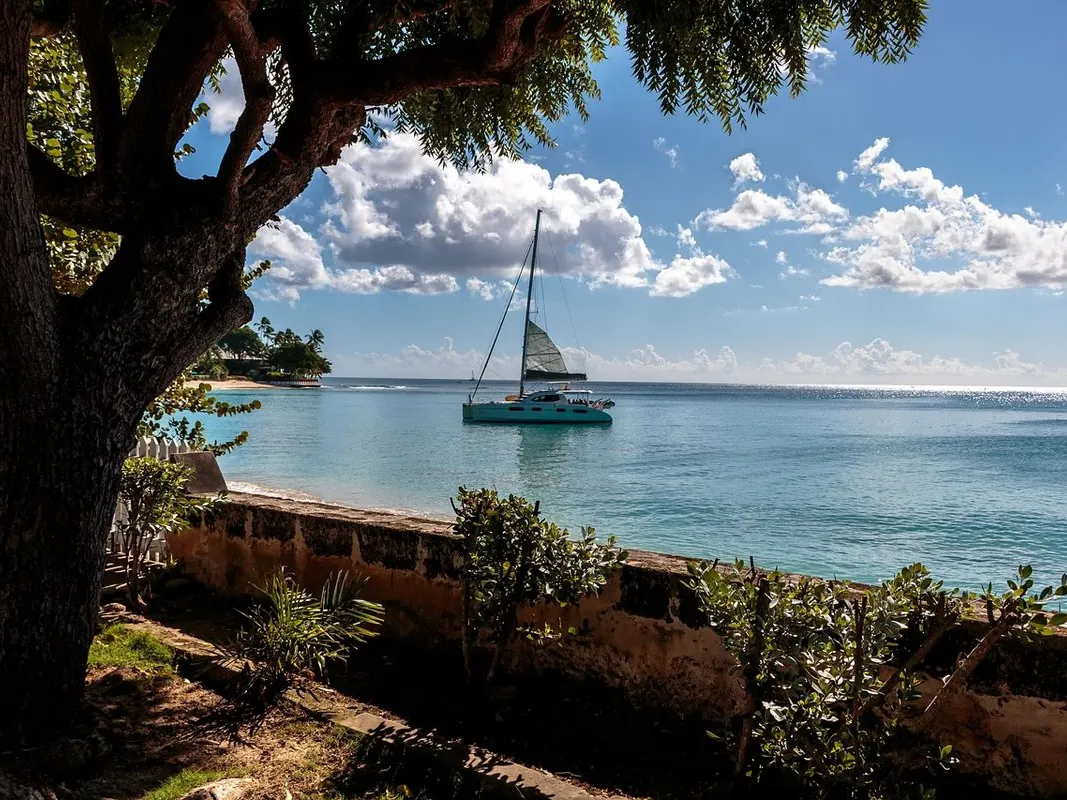
Crane Beach is unlike anywhere else on Barbados. Nestled at the southeast corner of the island, it's a cove backed by dramatic cliffs and the historic Crane Beach Resort (dating to 1887, one of the oldest resorts in the Caribbean). The sand is pink-tinged coral and white, the cove is partially sheltered, and the setting is spectacular. The Crane Resort terraces overlook the beach from clifftop heights — a destination in itself. But the Atlantic swells here with more energy than the calm west coast, making this a different kind of search than you might expect on a Caribbean island.
Your ring went down in beautiful water with real character. And we can find it.
Local Knowledge Across Crane Beach and the Cove
Crane Beach is a defined cove — roughly 100–150 metres wide, backed by cliffs, fronted by the Crane Resort with its clifftop terraces and facilities. The beach is less crowded than the central tourist beaches because it's more remote and has a higher barrier to access (location, cliff-backed setting). Ring losses here are often resort guests, visitors specifically seeking this famous beach, and people exploring the dramatic coastline.
The Atlantic swell reaches here — not as dramatically as the exposed east coast beaches, but definitely more pronounced than Paynes Bay or the calm west. Rings lost in the water can shift with wave action. This means immediate contact and rapid search are important. Rings lost on the beach itself settle in sand that mixes with coral fragments from the cove formations.
We respond to Crane Beach within **a few hours**. The cove is accessible but remote, requiring coordination. Once we arrive, the actual search is typically quick.
We serve all areas of Crane Beach, including:
- Crane Beach Main Cove
- Crane Resort Beach and Terrace
- Rocky Outcrops and Cliff Base
- Resort Terrace and Garden Area
- Waterline and Shallow Zone
- And everywhere else around Crane Beach
Common Search Locations in Crane Beach
Crane Beach Main Cove
The central cove is the main swimming and sunbathing area. The sand is coral-pink and white, the water is turquoise. Losses here are from swimmers, sunbathers, and cliff-edge exploration. The cove is partially protected — calmer than the open Atlantic but more active than west coast water.
Crane Resort Beach and Terrace
The resort fronts the beach with terraces, bars, and clifftop facilities. Guest losses often occur at the terrace bar (overlooking the beach), in the resort gardens, or during beach access. Ring losses here may be reportable to resort management.
Rocky Outcrops and Cliff Base
The cove edges have rocky sections and cliff formations. Rings are lost during rock scrambling, photography, and exploration. These zones require careful searching — rocks interrupt metal detection signals.
Resort Terrace and Garden Area
The Crane Resort terrace and garden spaces overlook the beach from clifftop height. Guest losses occur on the terraces and in resort grounds and are reported to beach operations. If your loss was on a terrace or in the resort gardens, staff can help pinpoint the exact location and coordinate recovery.
Waterline and Shallow Zone
The gentle shelf into the cove is a swimming focus. Water-entry losses are typical — rings slipping off as people wade or dive in.
Why Choose Ring Seekers Crane Beach?
Southeast Atlantic Coast Specialists
Crane Beach experiences different conditions than the calm west coast — swell, wave action, dynamic sand movement. We're trained in these conditions and know how they affect ring settling patterns.
Coral-Sand Expertise
The pink coral sand at Crane is distinctive and requires adjusted detection technique compared to pure sand beaches. Coral fragments create background signals we've learned to filter.
Historic Resort Coordination
Crane Beach Resort is legendary. We have established relationships with their management and can coordinate quickly for guest losses or access.
Wave and Tide Pattern Knowledge
Atlantic-facing coasts have unique tidal and wave dynamics. We factor these into search strategy — timing matters more at Crane than at calm-water beaches.
Rock and Cliff Zone Experience
Most beaches are flat sand. Crane has rocky sections and cliff edges. We can search these complex topographies.
Cove Dynamics Understanding
Crane Cove has unique water circulation and settling patterns due to its sheltered, cliff-backed geography. We understand how items move and settle in this specific cove.
Rapid Response Capability
Even though Crane is remote, we maintain quick response times. We know the access route and can reach the beach quickly.
Understanding Crane Beach's Search Conditions
Atlantic Swell and Wave Action
Unlike the west coast, Crane Beach experiences Atlantic swell. Wave action causes sand movement — items don't stay in place as long. Immediate contact after loss is critical. Morning searches (after overnight energy dissipation) are often optimal.
Coral-Pink Sand Composition
The sand is partly coral fragments, partly white sand. Coral creates detector background noise — we use different frequency and discrimination settings than on pure sand beaches. Coral also means items may be partly buried among fragments rather than sitting on clean sand surface.
Sheltered Cove with Uneven Bottom
The cove has some protection from cliff backing, but the bottom is less uniform than flat-shelf beaches. Sand depth varies, rocky patches exist, and settle points are less predictable.
Tidal Range and Current
The southeast coast experiences Atlantic tidal currents. High tide can raise the waterline significantly — your ring may be under water now but above water at low tide. We time our search for the lowest tide of the day.
Cliff-Backed Wind Patterns
The cliff backdrop creates wind patterns that affect both sand movement and detection conditions. Wind can be stronger here than on open beaches, making sand less stable.
Rocky Underwater Sections
The cove edges have underwater rocks and irregular bottom. If your loss was near the cove edges, we assess whether underwater rocks complicate the search.
Seasonal Atlantic Swells
Winter months see larger Atlantic swells; summer is calmer. Timing of your loss relative to seasonal patterns affects sand stability and recovery probability.
Ring recoveries from Crane Beach clients.
Behind every story below is a ring that came back. These are the people who entrusted us with their Crane Beach search.
FAQs – Crane Beach
I lost my ring in the water at Crane Beach. Is it still recoverable?
Yes, it is — but timing matters. Atlantic swell moves sand more than calm-water beaches. Contact us immediately so we can search before significant sand movement. We'll assess tide timing and water conditions, and coordinate a rapid search. Morning searches often provide better results.
The Crane Resort guests — is my loss visible to the beach or pool staff?
The resort staff are attentive and will report found items. If you lost a ring at the Crane, inform resort management immediately — they often hold items. Then contact us with details, and we can coordinate with the resort for recovery. Some losses are simply held by staff.
I was exploring the rocky outcrops at the cove edge. Can you search that zone?
Yes. Rock zones require different technique — visual inspection is as important as electronic detection. We can search the rocky areas, though the search may take longer than open beach due to signal interference. Tell us exactly where on the rocks you were (north edge, south edge, base of cliffs).
What if I lost it on a resort terrace or in the gardens?
Terrace and garden losses are recoverable and involve resort coordination. Tell us the exact location (main terrace, bar area, garden path, etc.) and we'll contact the resort. Resort staff can often pinpoint the exact spot and assist with recovery logistics.
How do wave conditions affect the search?
Atlantic swells create sand movement. If conditions are rough when you lost your ring, we wait for calmer conditions or search on a low tide when more sand is exposed and conditions are more stable. We'll discuss timing with you.
Is Crane Beach harder to search than the calm west coast?
Different, not necessarily harder. The swell means sand moves more, so we search faster and emphasize timing. The coral-sand requires adjusted detection settings. But the cove is compact and well-defined, which focuses the search. Recovery probability is still high.
How much does your service cost?
Costs depend on the circumstances of the search — terrain, access, and the conditions involved all play a part. When you call or message us, we'll walk through everything and confirm pricing before we travel. Card payment only.
What payment methods do you accept?
Card payment only — we accept Visa and Mastercard.
Crane Beach
Crane Beach Recovery Awaits
Crane is dramatic, beautiful, and memorable — the kind of place where a lost ring stings more than usual. But your ring is in water and sand where recovery is achievable. The Crane Cove is defined, the resort staff are attentive, and our team knows the Atlantic coast conditions.